JANUS
REIMAGINING KELP FOREST RECOVERY THROUGH PASSIVE, SCALABLE URCHIN TRAPPING SYSTEM
SPRING 2025
SAN FRANCISCO STATE UNIVERSITY BIODESIGN CHALLENGE
TEAM PROJECT
Nayo Lancaster, Tasnim Saada, Anshu Bhusal, Oussama Bouabsa, Jared Oelschlaegel
DEFINING THE PROBLEM
PROBLEM STATEMENT
Researchers and divers working to restore kelp forests off the Mendocino coast face difficulty managing purple urchin overpopulation due to labor-intensive culling methods and unsafe dive conditions. These limitations prevent effective scaling of removal efforts.
A safer, passive system is needed to reduce urchin pressure on young bull kelp while supporting long-term ecosystem recovery.
WHAT IS ARKEV?
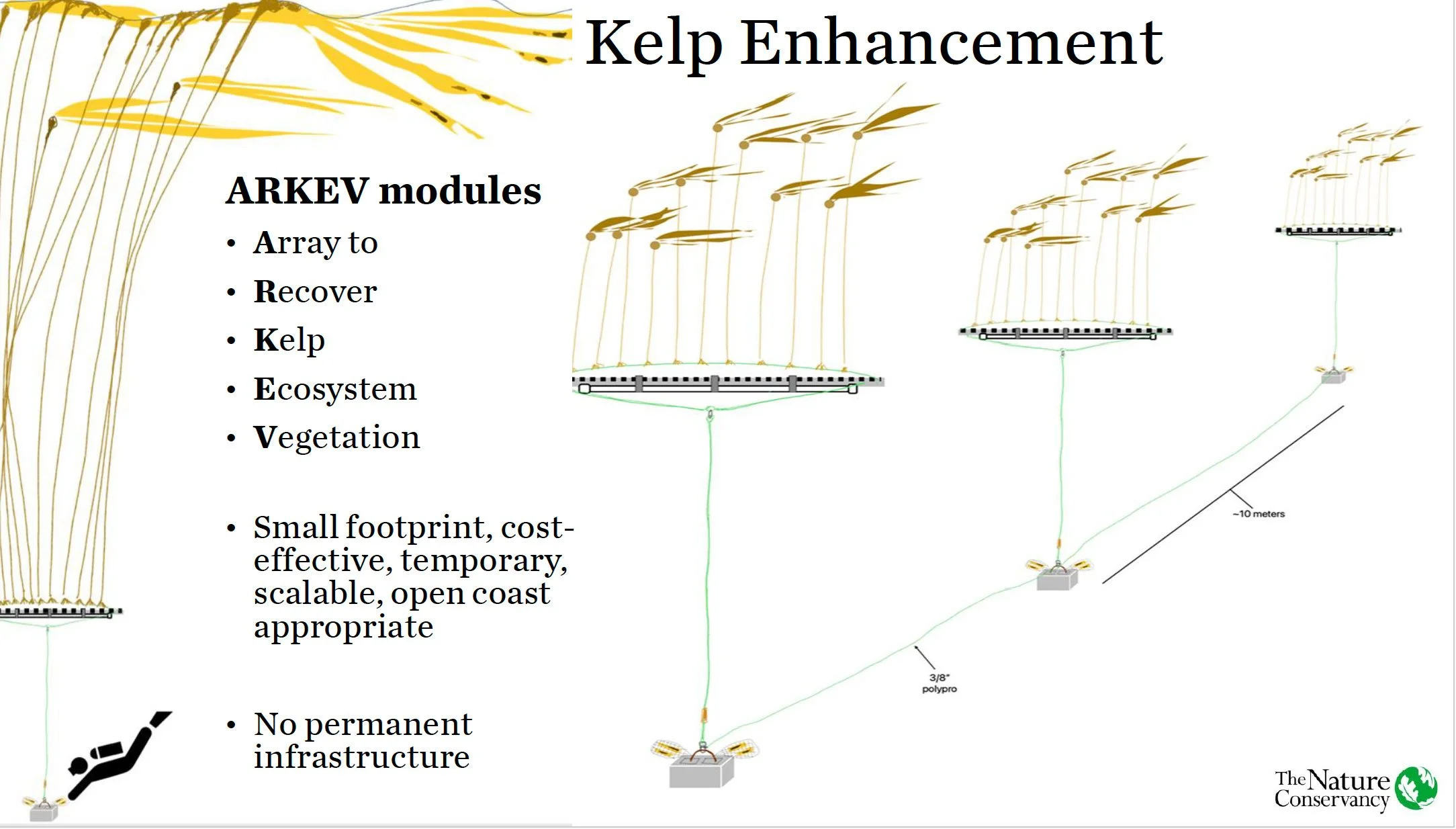
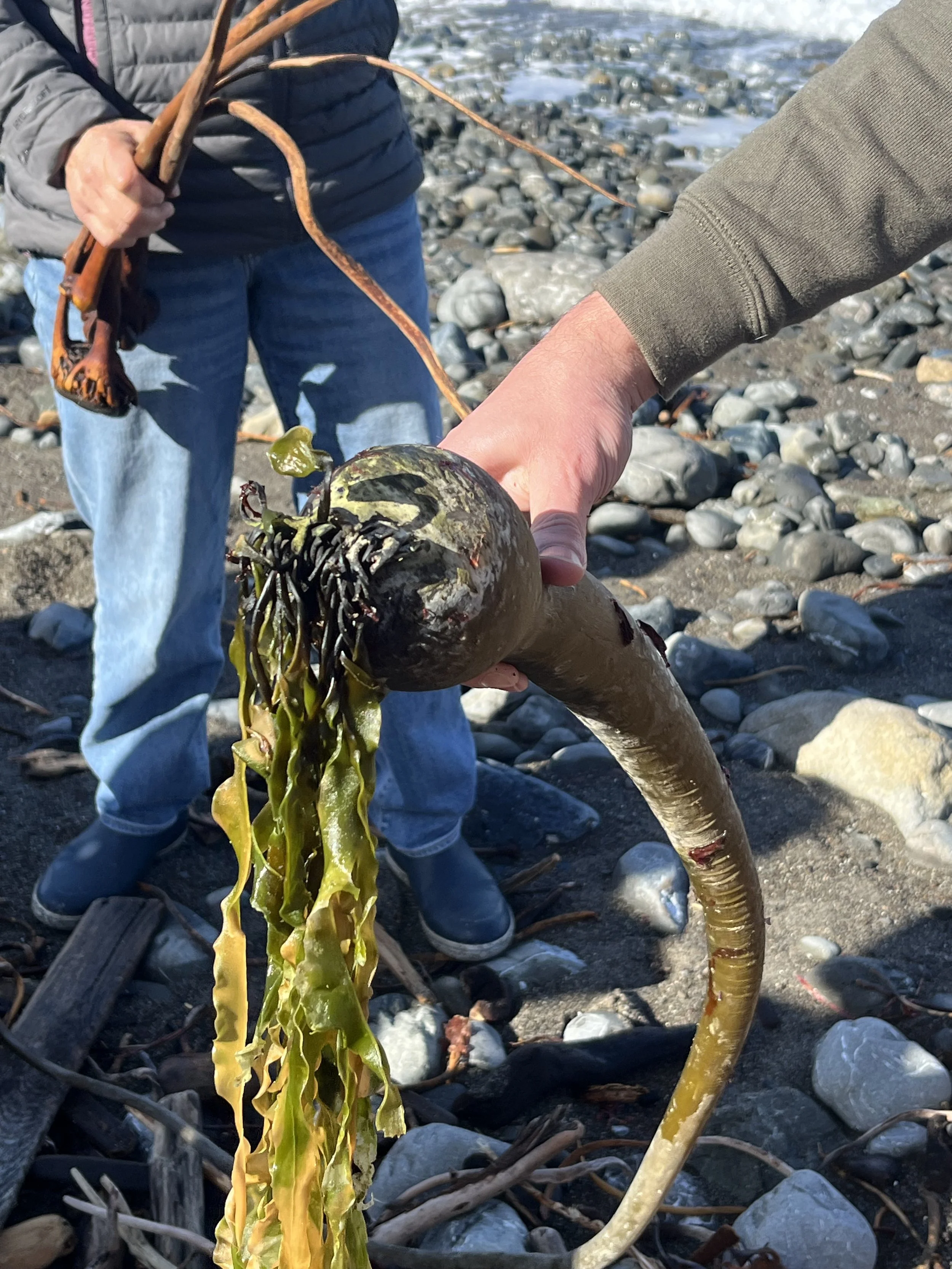
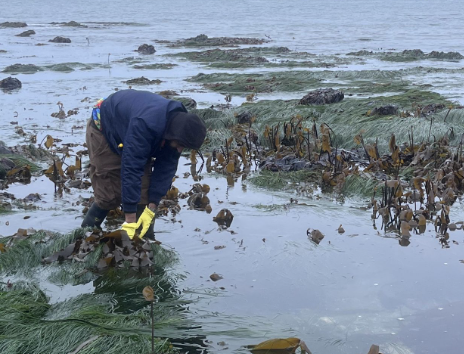
ARKEV is a kelp restoration system currently deployed along the Mendocino Coast at the Big River and Albion Cover restoration sites. Each unit is anchored by cinder blocks and suspends kelp lines to protect the kelp’s holdfasts from urchin grazing. We see an opportunity to go further, reimagining the base to expand its ecological impact.
DESIGN DIRECTION
AREAS OF INTEREST
PASSIVE URCHIN CULLING
OPTIMIZING THE ARKEV MODEL
SOURCING AND REPURPOSING WASTE PRODUCT
RESEARCH AND EXPLORATION
KEY URCHIN BEHAVIORAL CONSIDERATIONS
-
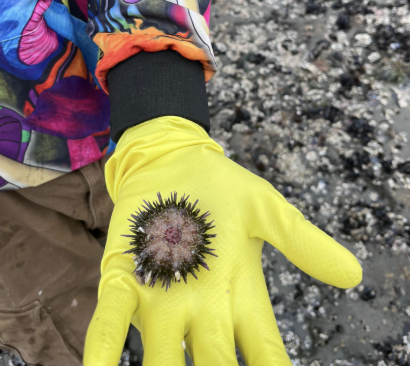
Purple Urchins use tube feet to slowly crawl along the ocean floor. They can move a meter a day, but are severely hindered by sandy surfaces and rock ledges.
-
Purple Urchins are efficient foragers, able to detect chemical signals found in their food sources and orienting themselves towards decaying algae or kelp.
Urchins can use these chemical cues to detect predators, and dead or injured urchins can be sensed by others as a warning.
-
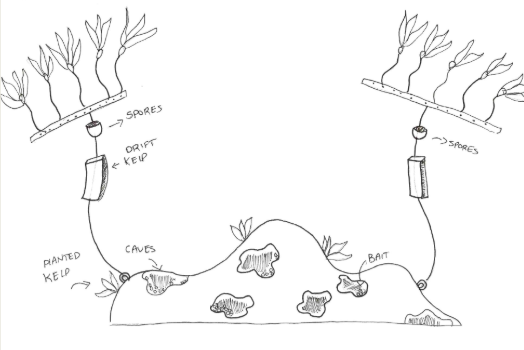
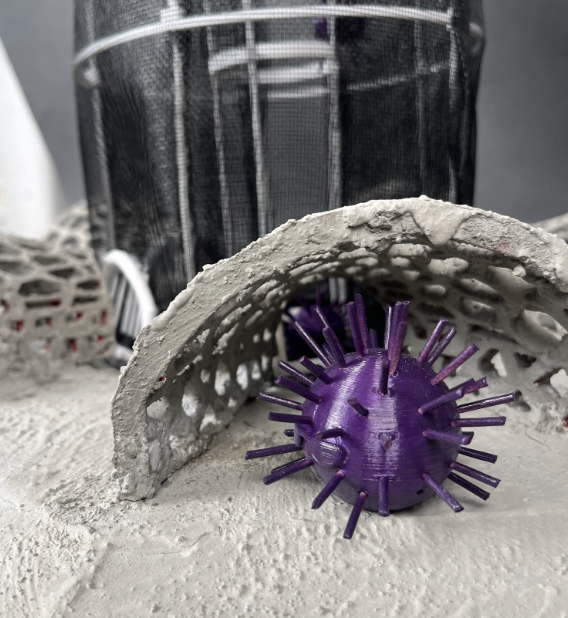
Caves have a higher likelihood of attracting sea urchins, as the structure provides shelter from predators, strong currents, and environmental stressors. Enclosed spaces offer a safe space where urchin can conserve energy and remain anchored in turbulent waters.
ENVIRONMENTAL CONDITIONS
-
We carefully selected materials to ensure every component aligns with our mission. Each part is designed for marine compatibility and minimal environmental impact. It was essential that our materials withstand turbulent waters, resist biofouling, and remain safe for surrounding marine life.
-
To reduce waste and environmental cost, we incorporated crushed urchin shells into the concrete base to maintain circular material practices. By giving discarded shells a new role in the habitat, we embed the project more deeply in the local ecological cycle. This approach supports regenerative systems and demonstrates how marine waste can be repurposed meaningfully.
-
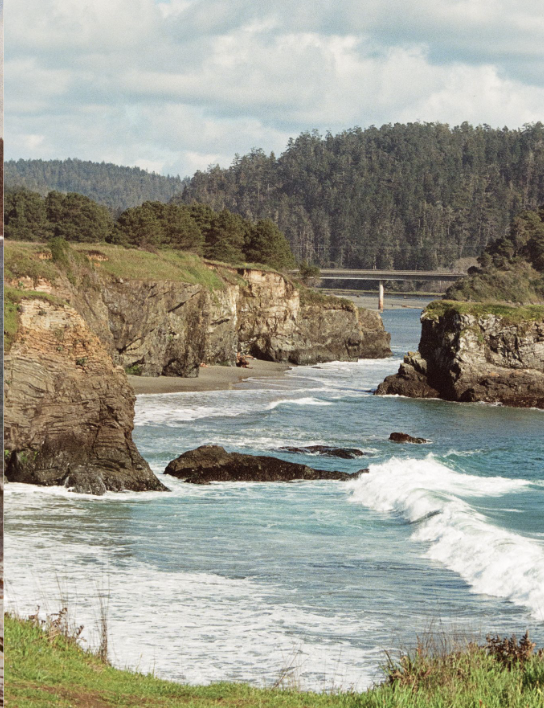
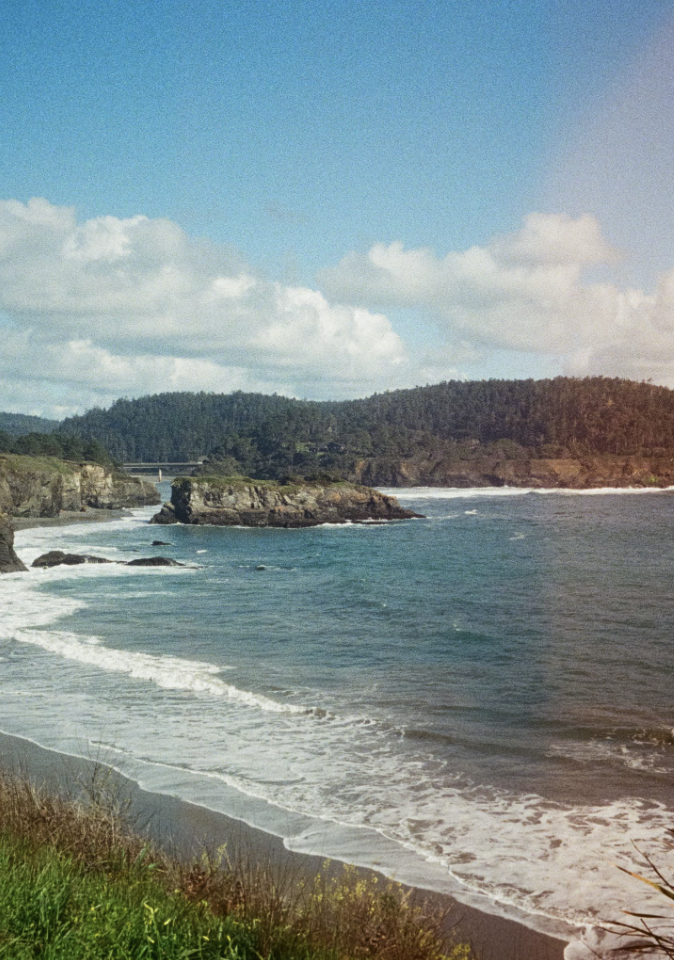
The Northern California coastline, especially around Mendocino, is rugged and dynamic. Strong currents, rocky sea floors, and dense kelp forests require a trap that’s stable, low-impact, and easy for divers to manage. Our design accounts for surge conditions, avoids entanglement risks, and minimizes disruption to non-target species in this biodiverse marine environment.
SKETCH EXPLORATION
ITERATIONS
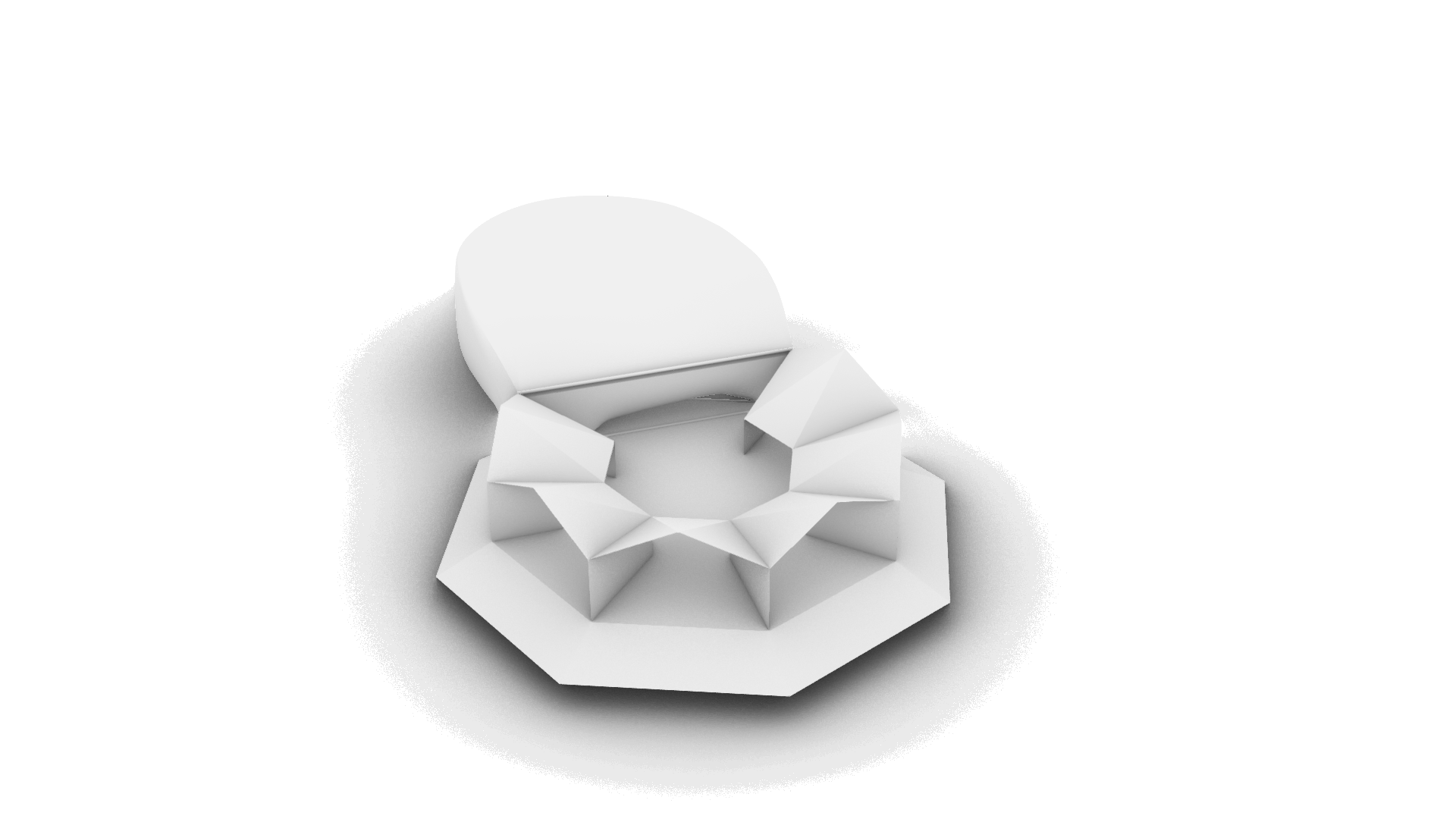
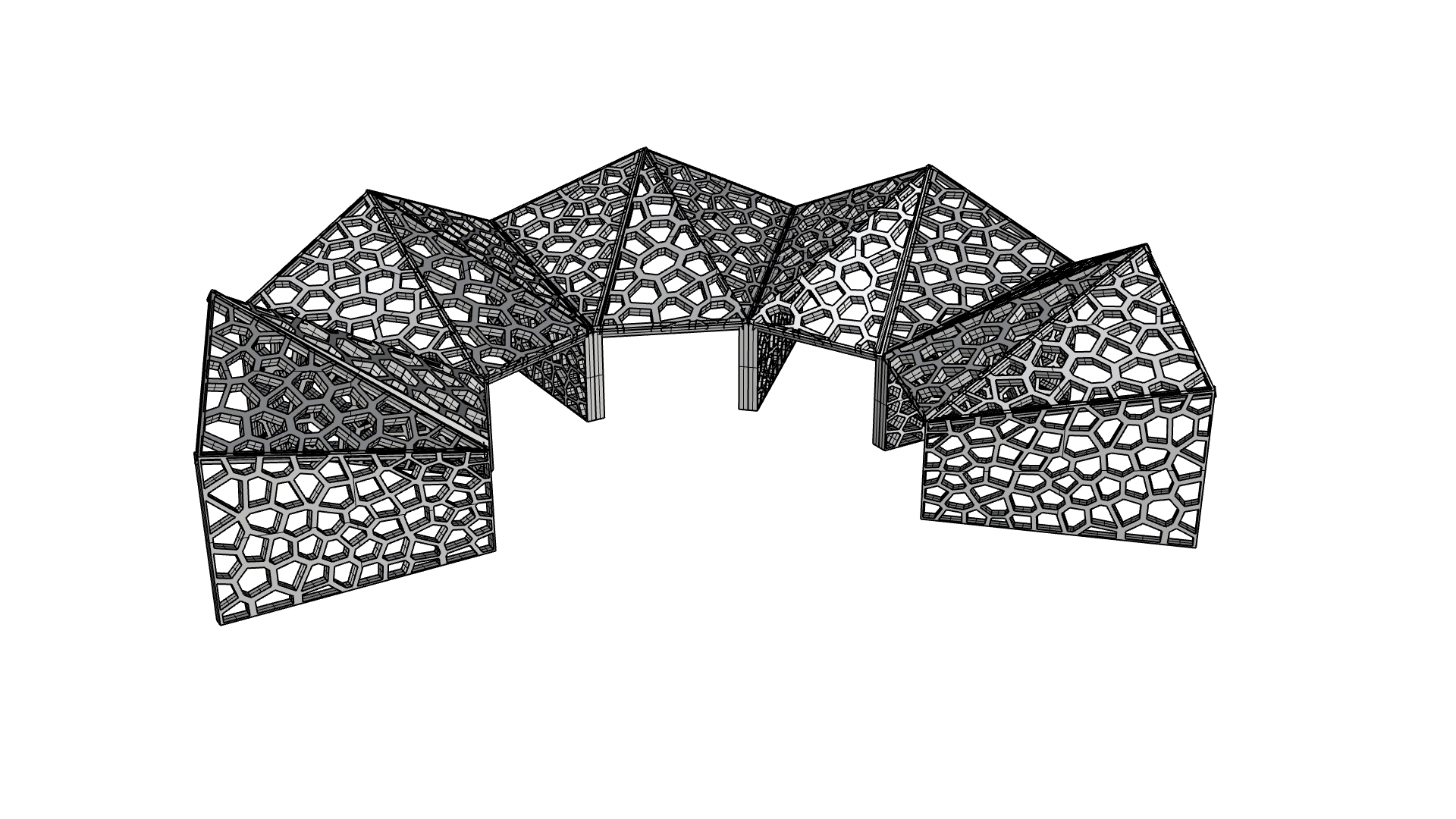
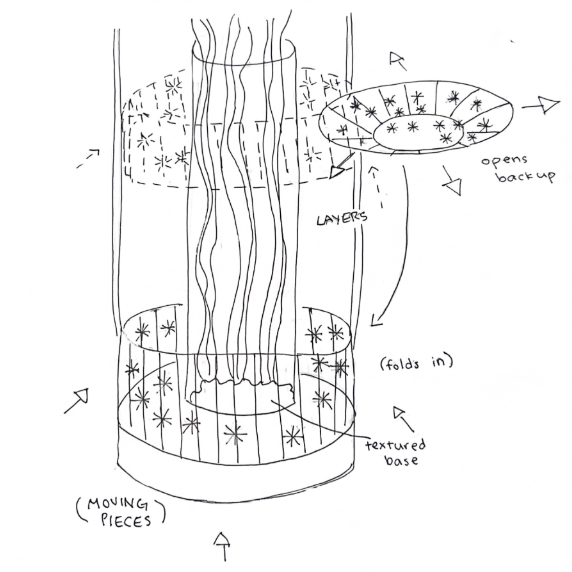
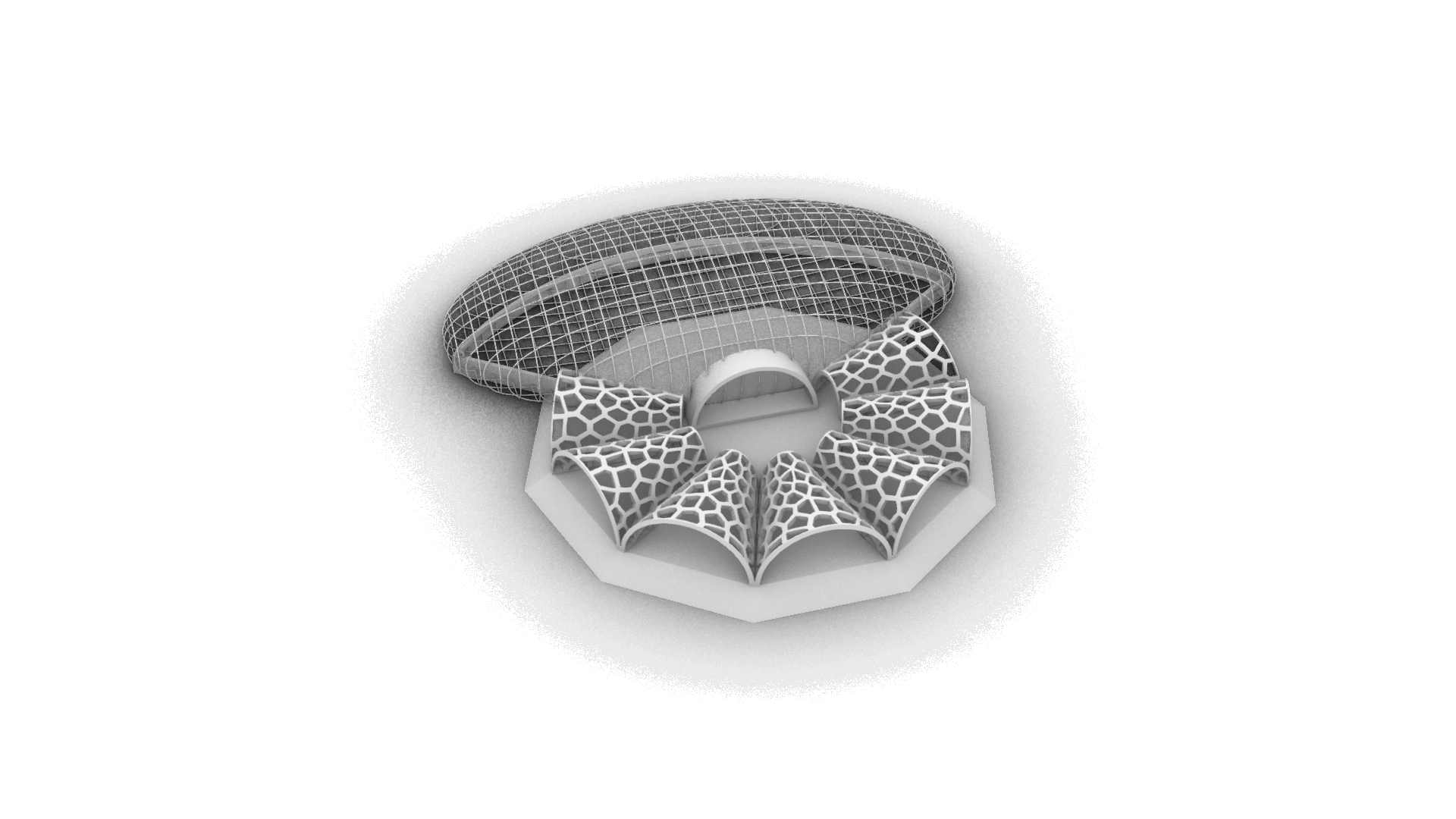
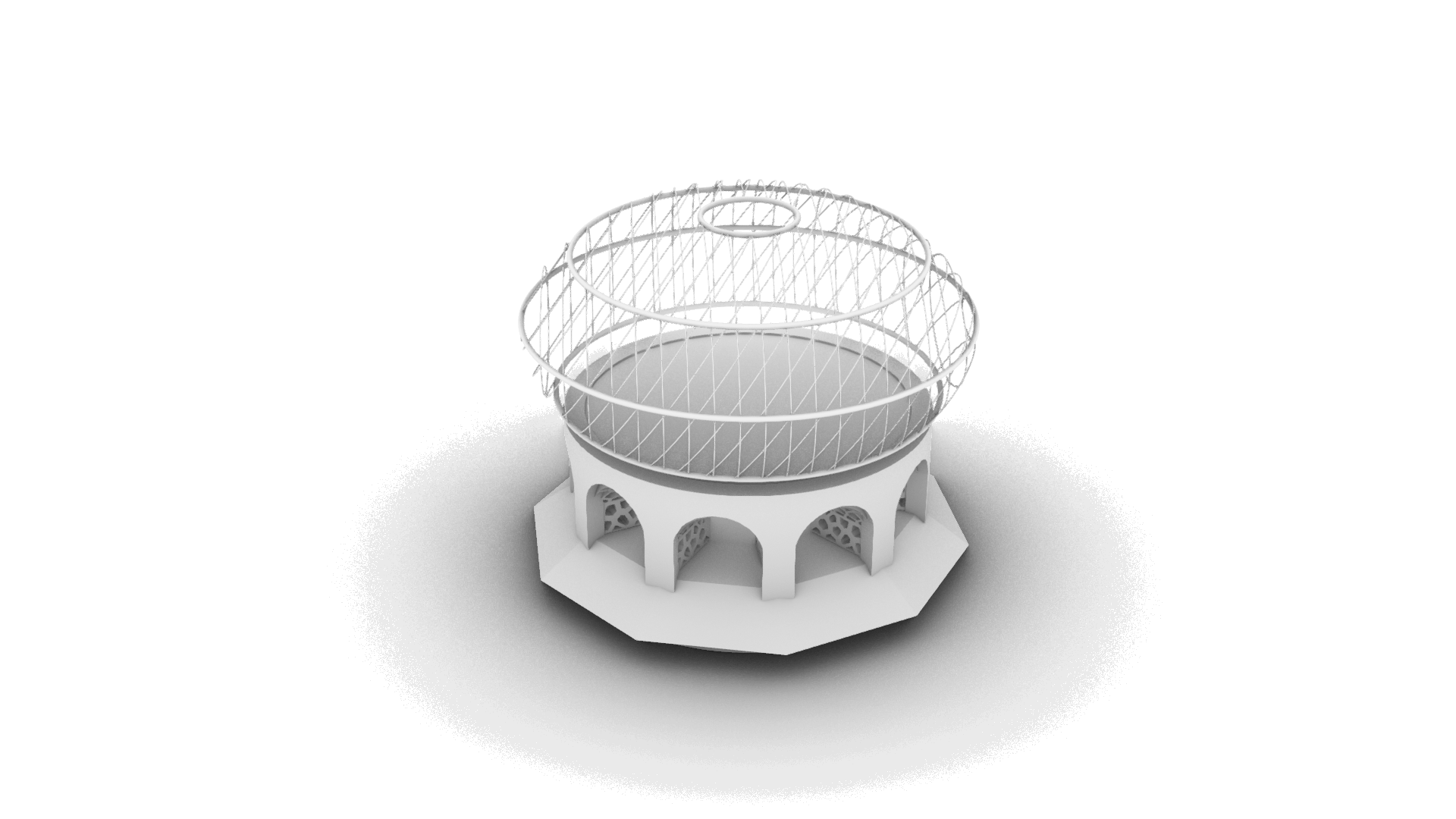
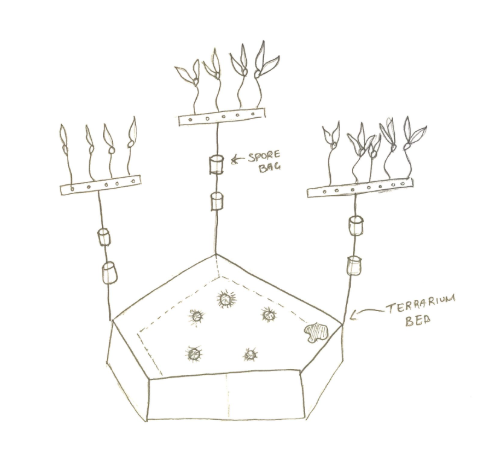
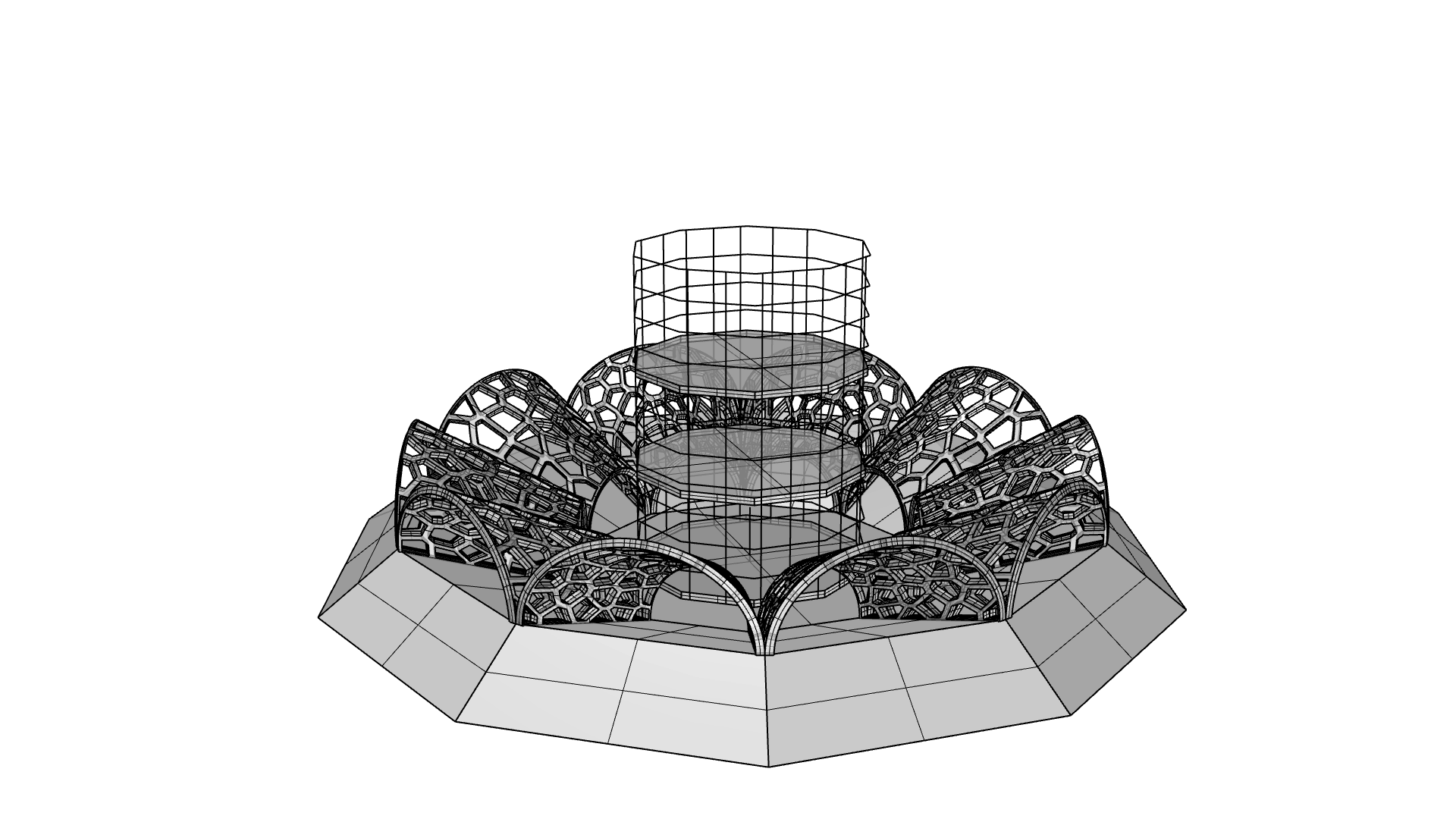
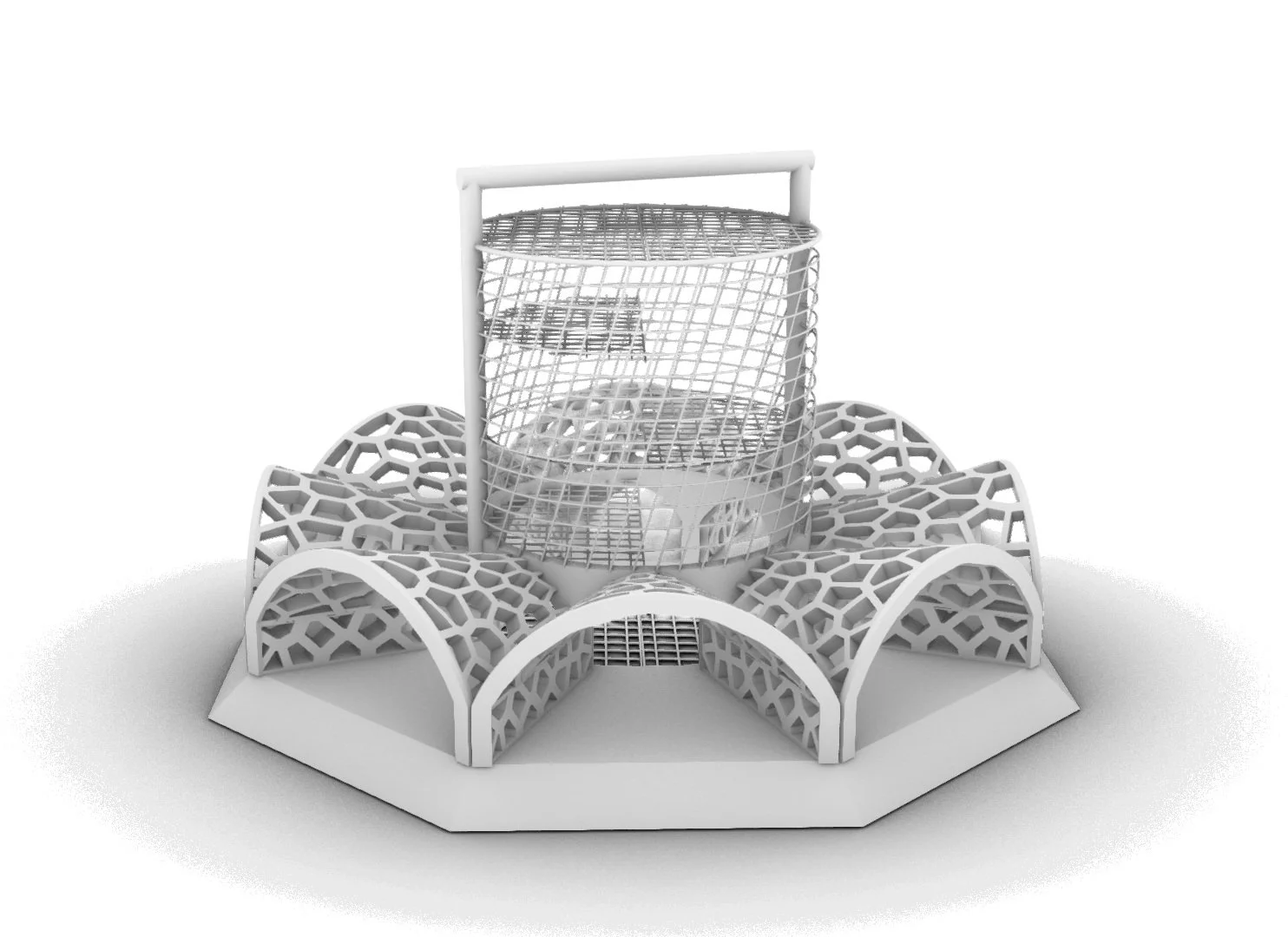
PROCESS
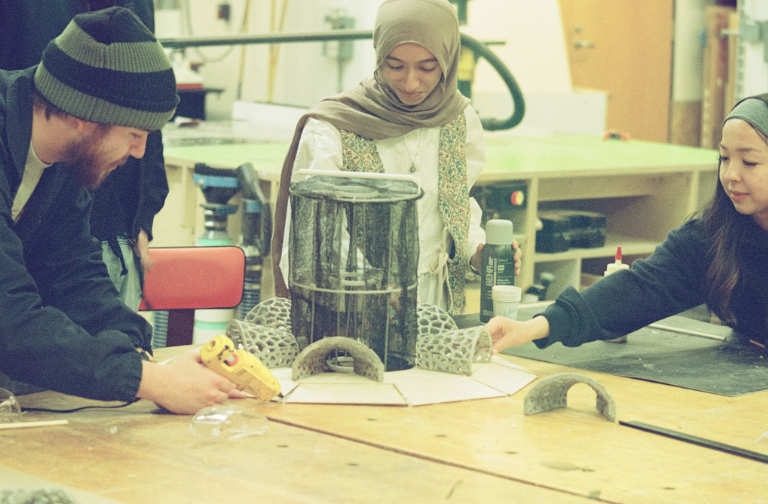
WE MADE CONCRETE!
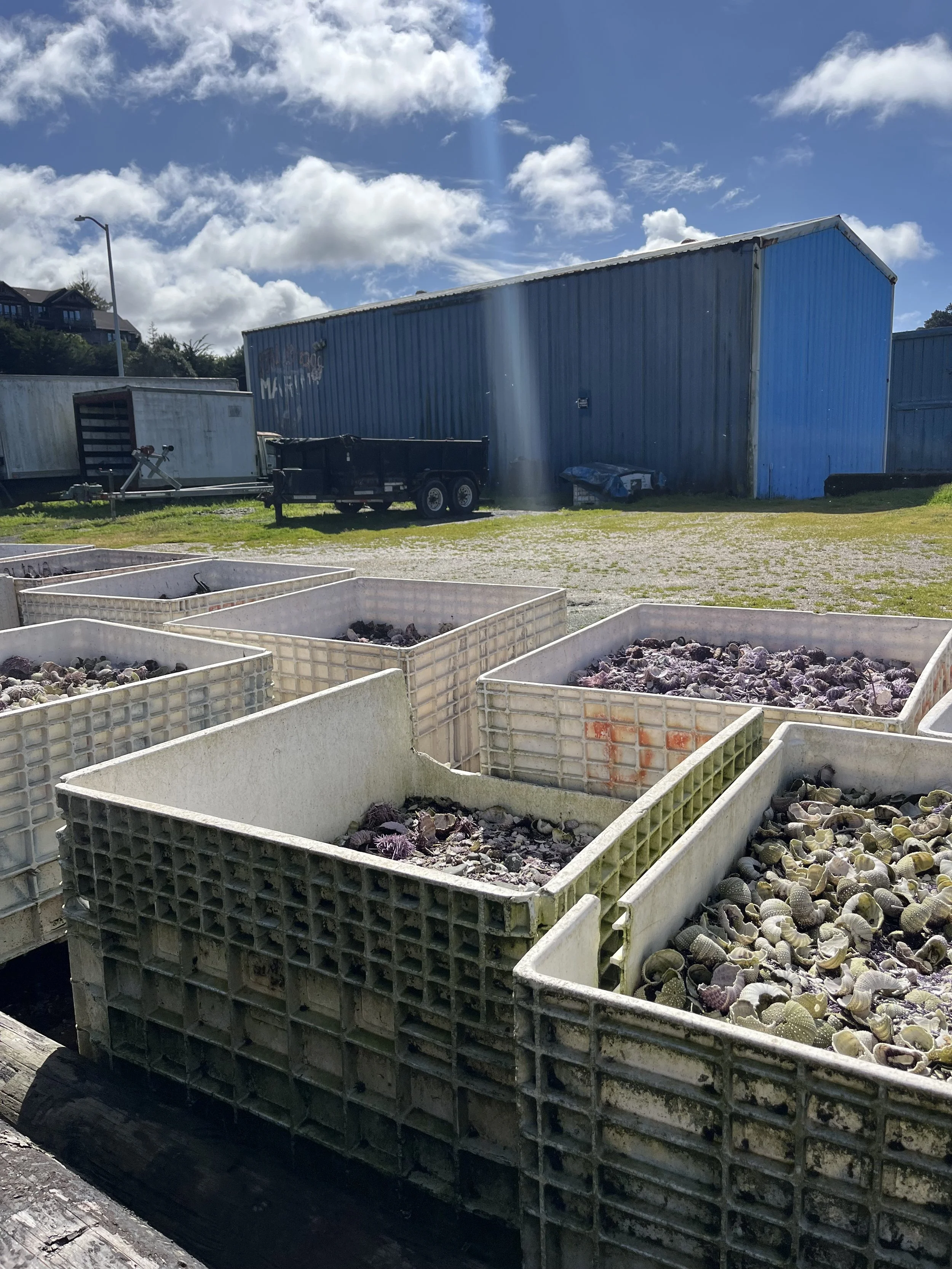
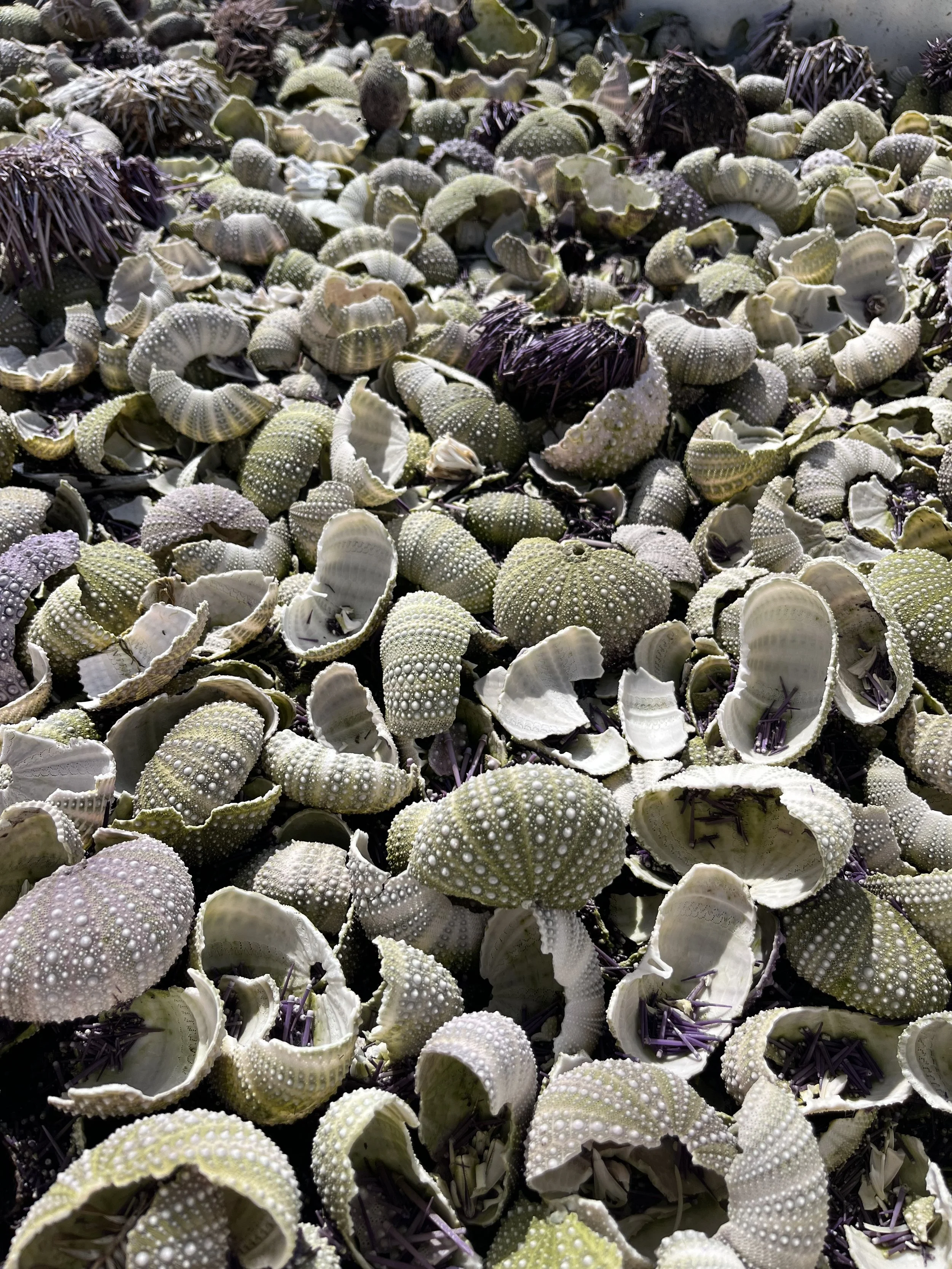
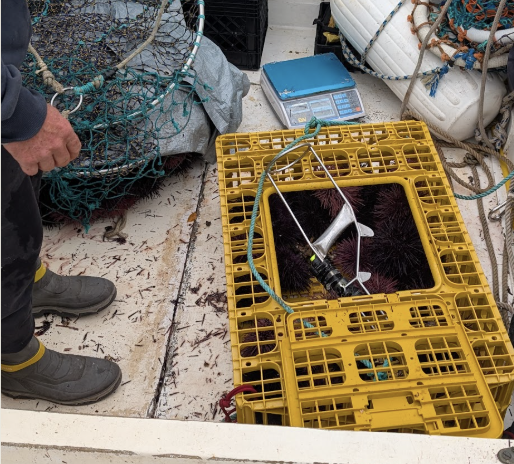
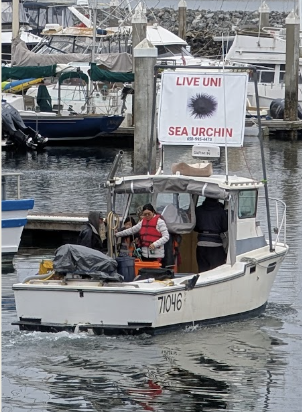
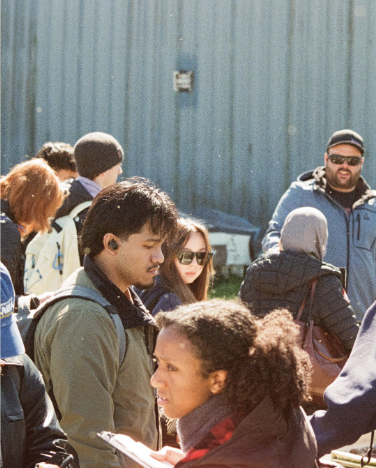
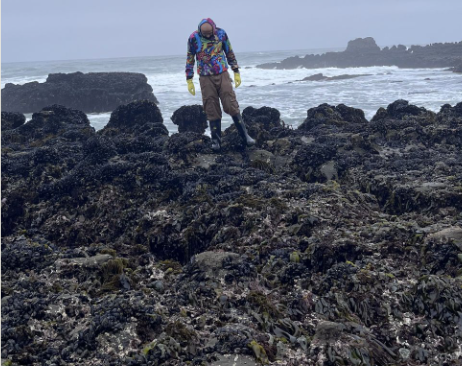
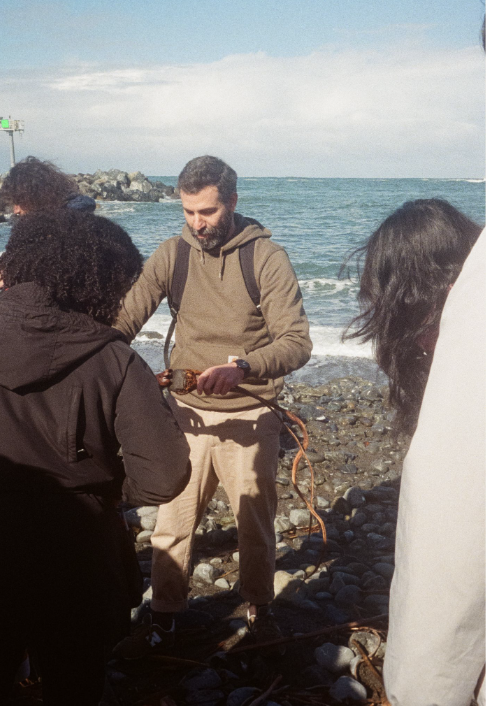
During our fieldwork in the Noyo center, we learned that urchin exoskeletons were a large byproduct of culling efforts at the restoration site, causing a large amount of waste that can be better utilized.
We saw an opportunity to repurpose the natural calcium carbonate found in urchin shells to use as an aggregate base to strengthen the structure.
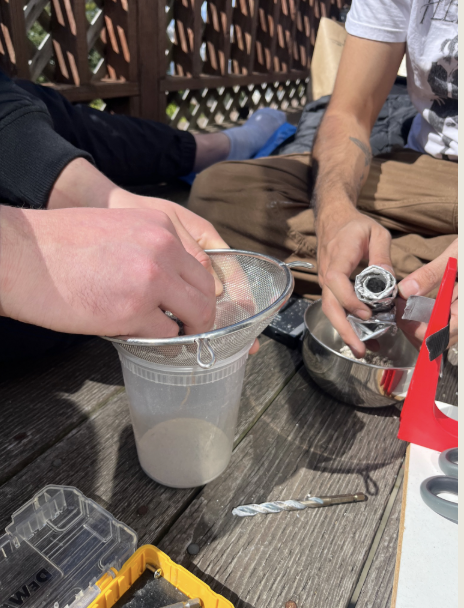
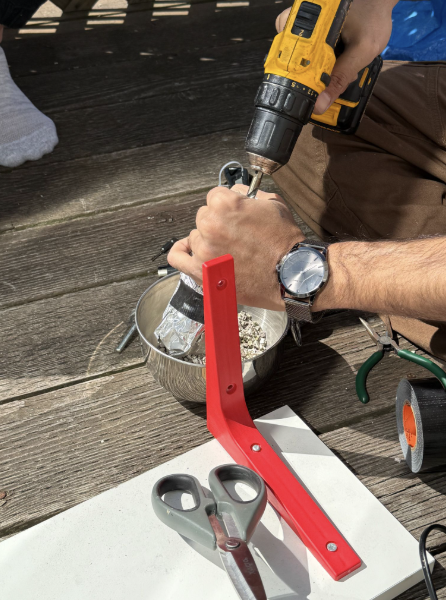
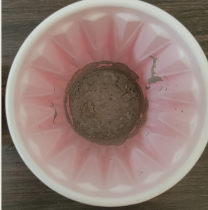
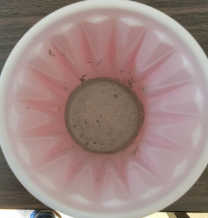
control
urchin shell + concrete mixture
CALLING THE URCHIN: BAIT FORMULATION
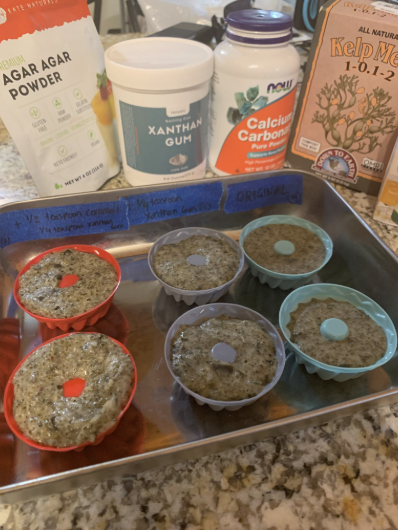
The objective of our bait experiments was to see if urchins could smell the bait and were enticed to try it. We then how it compared to fresh kelp and seaweed.
We found that agar-based bait with dried kelp as well as kelp meal had a strong scent and was popular with purple urchins.
The ratios were also tested in a water tank over the course of a week to ensure that the binding materials would release gradually.
INGREDIENT
AGAR (binding material)
GELATIN (binding material)
KELP MEAL (nutrition)
DRIED KELP (nutrition)
XANTHAN GUM (binding)
WATER
QUANTITY
22.76 grams
5.8 grams
17 grams
5.8 grams
2.8 grams
236 ml
TESTING
URCHIN TRIALS …
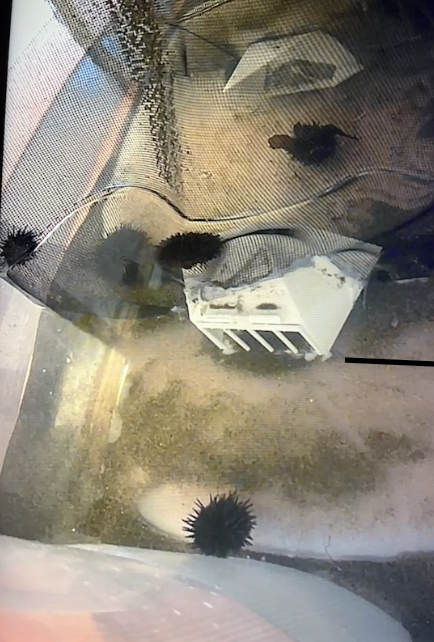
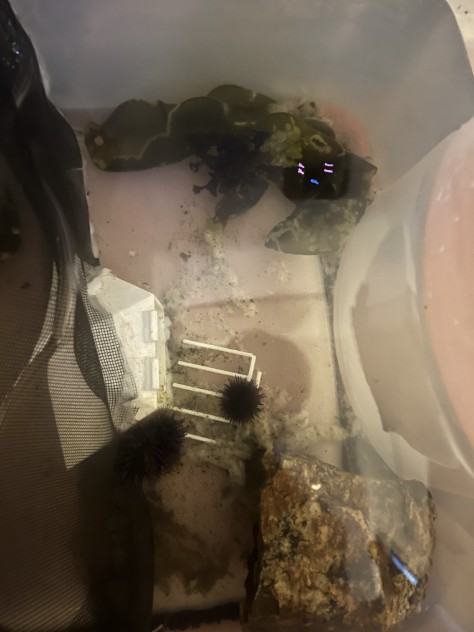
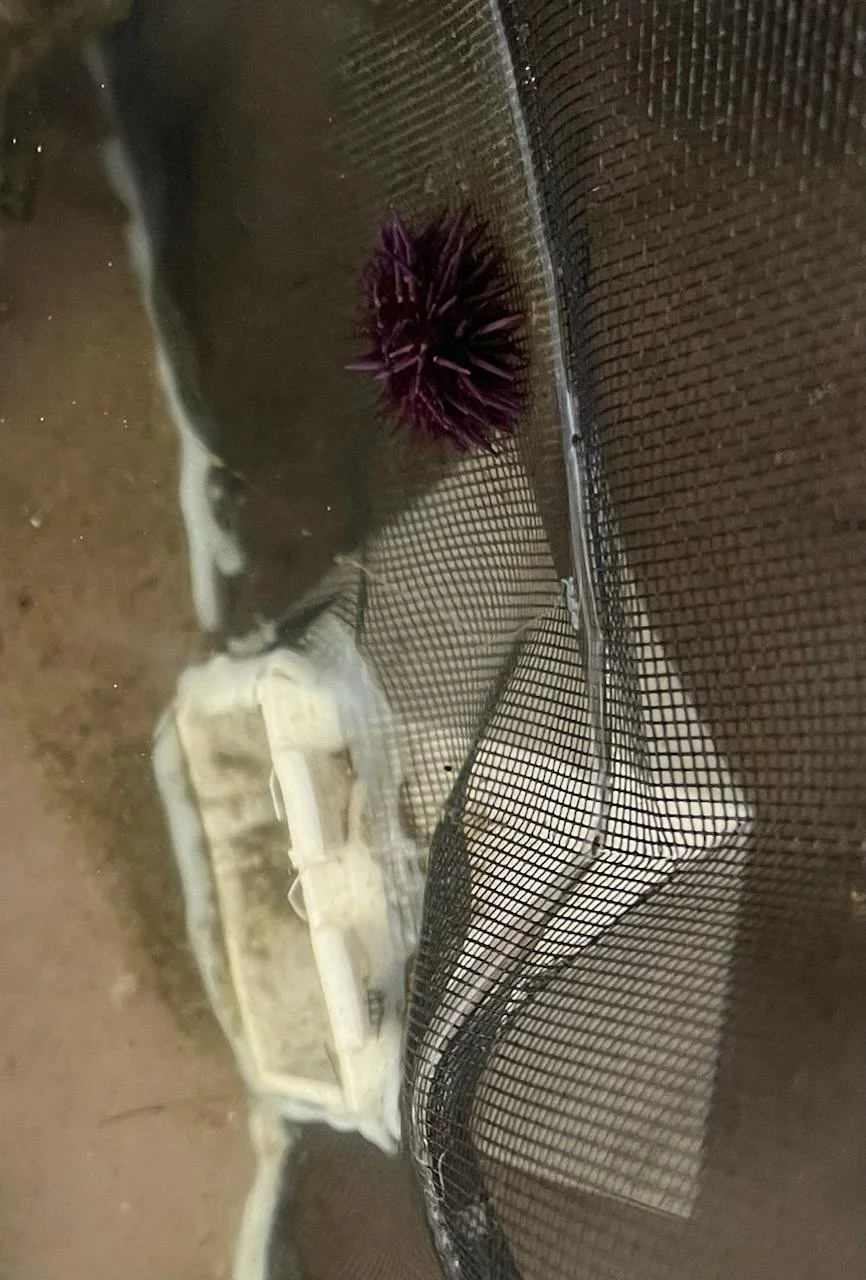
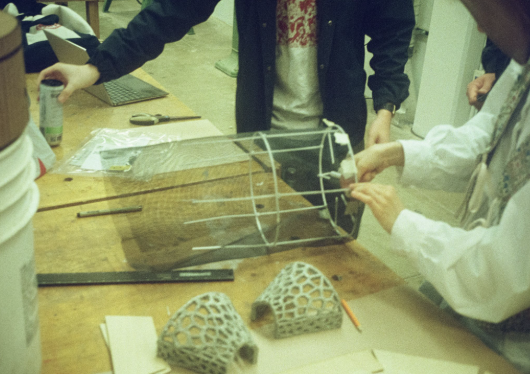
It was clear that in order to effectively pursue our design direction, we needed to be able to test our hypothesis and prototypes on live urchin.
Our experiments showed that urchins could successfully enter the trap and push through the door, but their unexpected dexterity led to the failure of our initial design. This highlighted the need for further research and iteration to develop a mechanism better suited to urchin behavior. We “caught” most of the urchin in our best case scenario.
** All 5 of the urchins survived and were released back into their natural habitats after project completion. No urchin were harmed during the course of this project.
DESIGN PROPOSAL
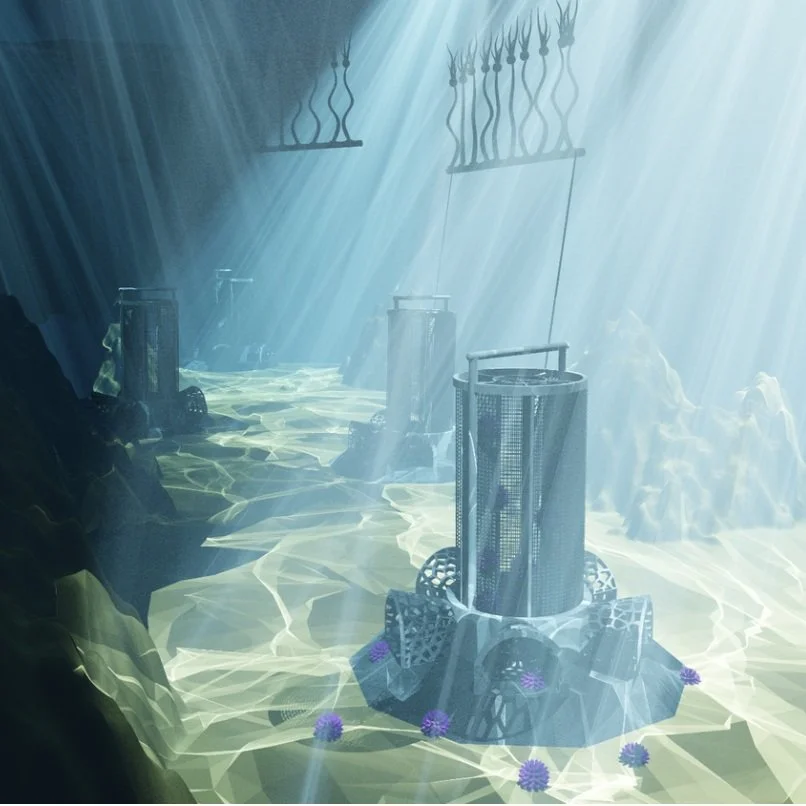
INTRODUCING JANUS
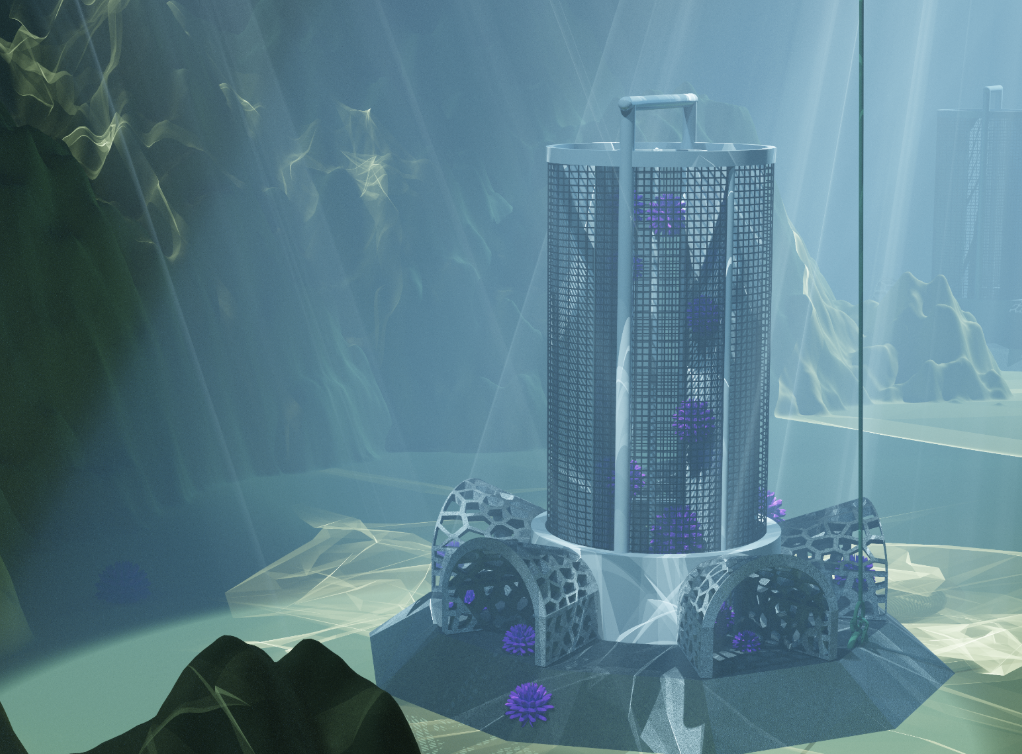
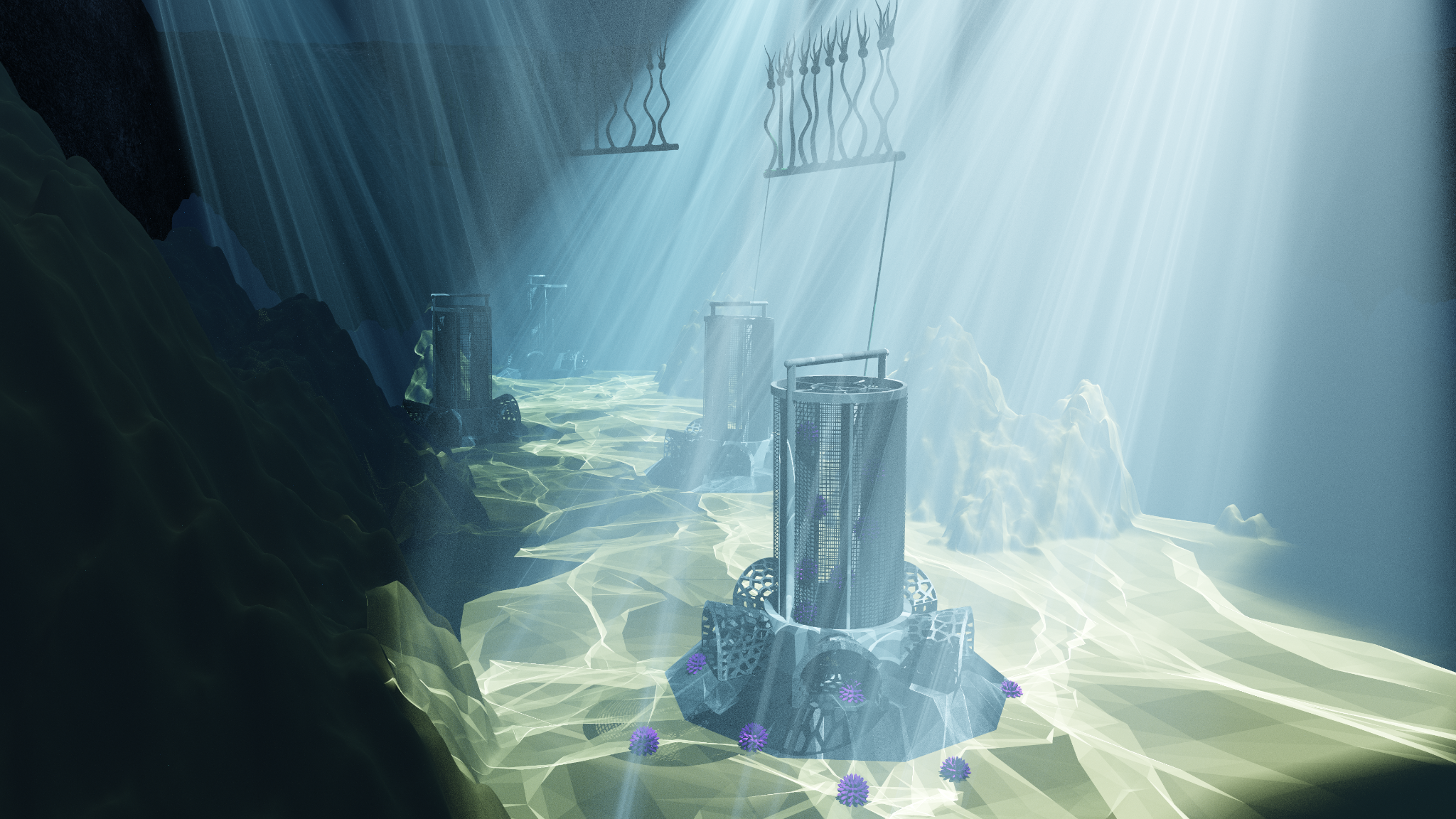
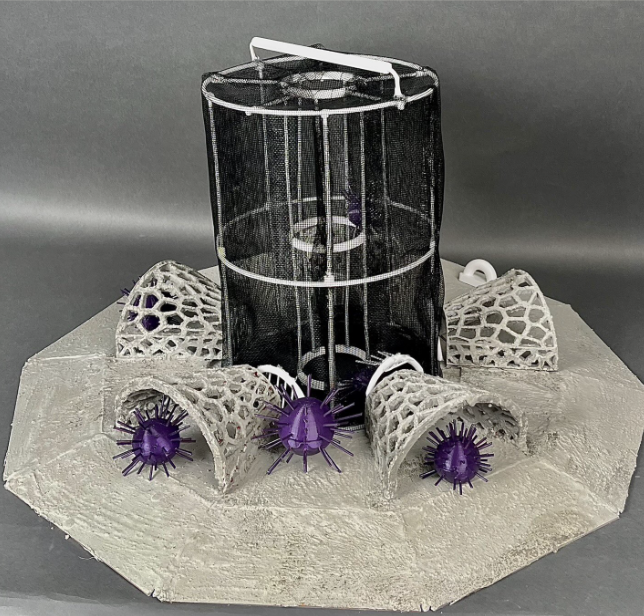
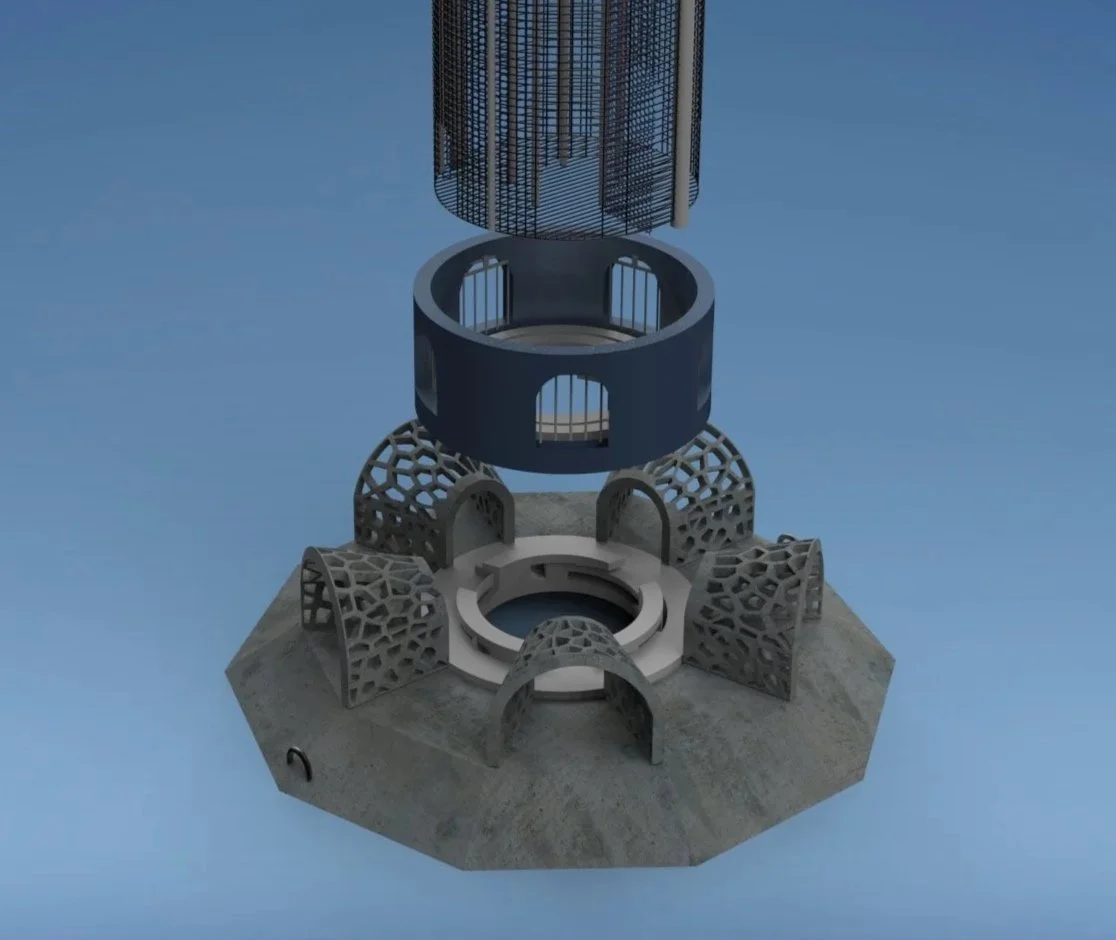
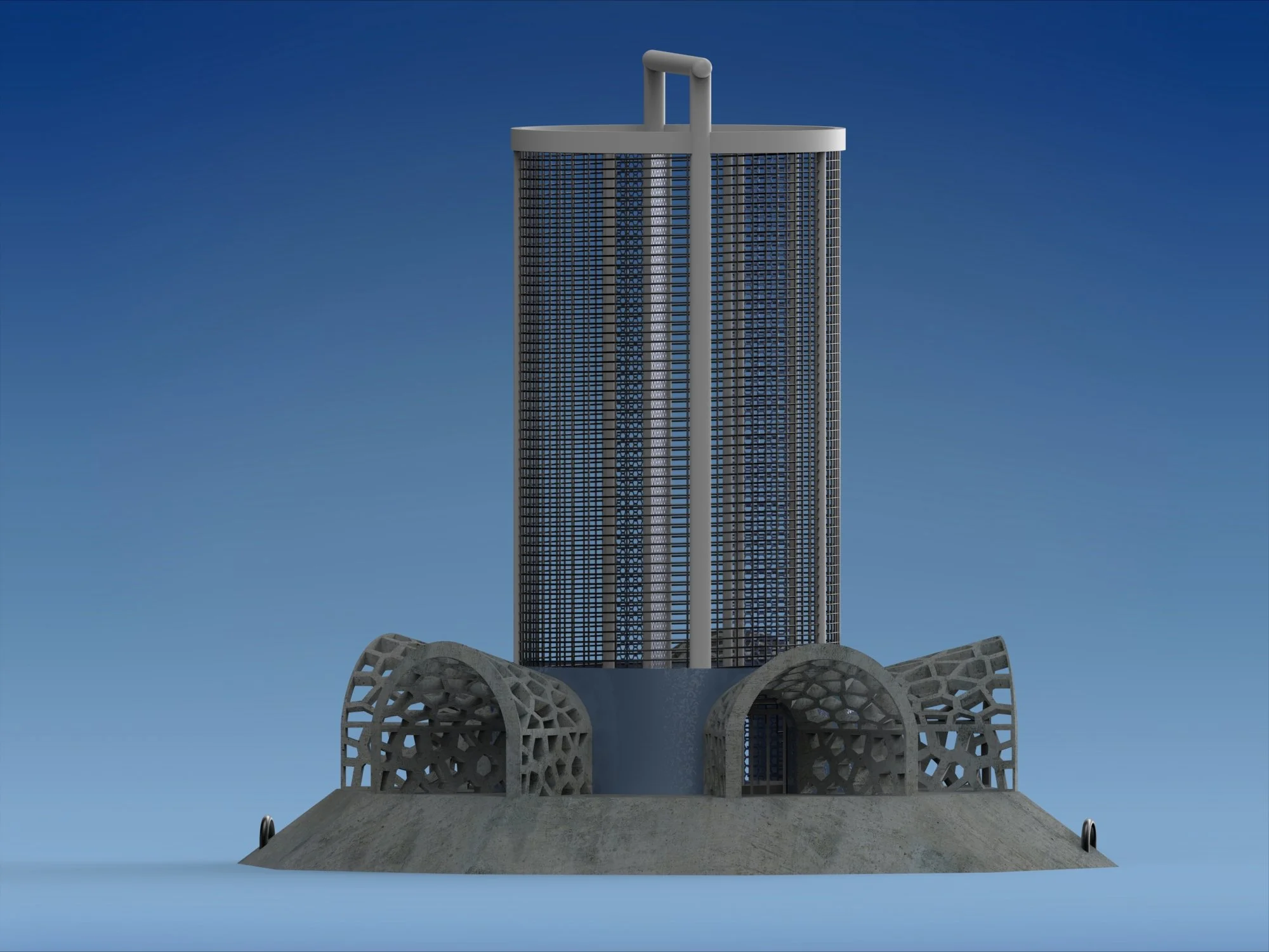
Meet JANUS, a passive, modular sea urchin trap designed to replace the ARKEV base. It uses kelp-based bait to attract urchins and a one-way funnel system to disorient and retain them. The vertical net maximizes surface area for capture and features a central twist-lock bayonet that allows divers to quickly detach and replace full nets with minimal effort. Inside, a climbing mesh encourages natural urchin behavior while the frame collects them passively. No power or no active diver handling is required.
This is a dual-purpose system that collects purple sea urchins while promoting kelp forest restoration. Our approach a modular structure inspired by nature that minimizes ecological disruption and maximizes environmental benefit.
JANUS is built for scalability, reducing diver strain while supporting large-scale urchin removal and kelp forest restoration. Its base is made from circular and waste-derived materials, transforming ecological damage into a tool for recovery. Even after out-planting season ends, the base structure remains in place, serving as a sanctuary that promotes biodiversity and lays the groundwork for future aquaculture and restoration efforts.
Animated by Anshu Bhusal
DESIGN FEATURES
BIO-INSPIRED DESIGN
-
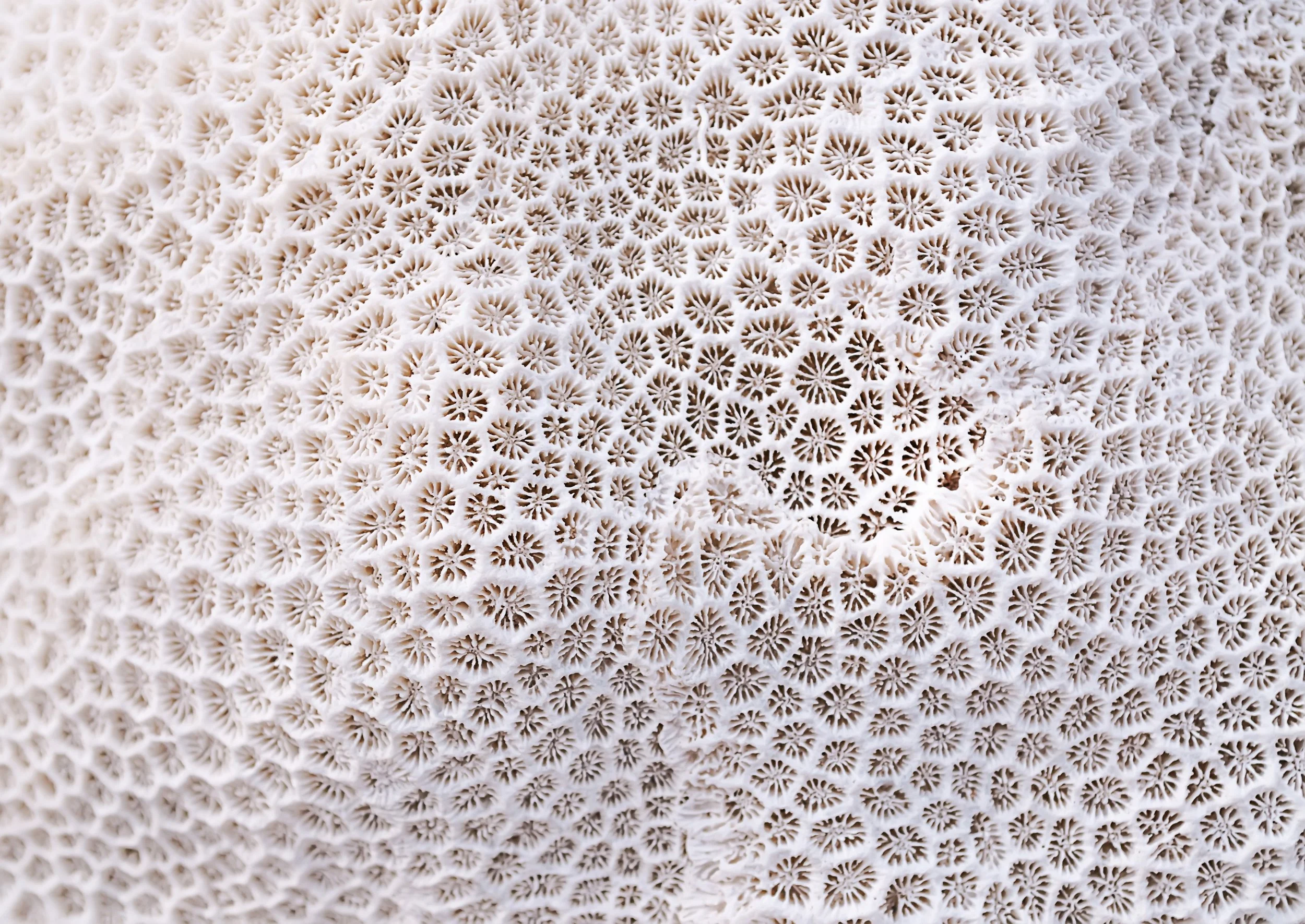
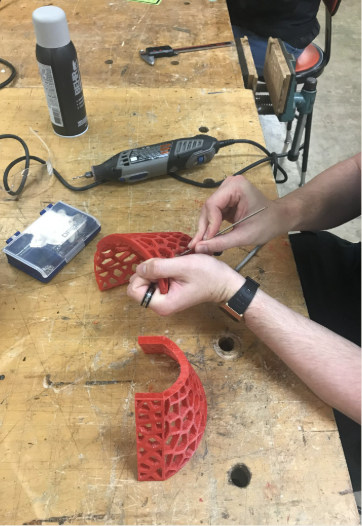
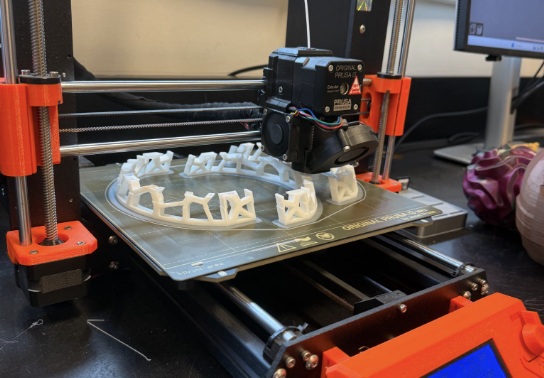
Inspired by the internal skeletal structure of the urchins Polygonal Voronoi patterns create a high-strength and lightweight frame that maximizes durability while minimizing material use.
-
The trap’s exterior mimics natural caves and rock crevices preferred by urchin.
-
A lifted, hollow base allows the structure to have stable placement on rocky terrain without disrupting surrounding habitat.
PASSIVE COLLECTION
-
Leveraging urchins’ limited spatial memory, the one way trap door enables easy entry and prevents exit for continuous and passive trapping.
-
We learned that urchin love to climb. Vertical slats mimic kelp holdfasts, encouraging urchins to climb inward and settle deeper inside the trap.
-
A copper ring deters exterior climbing and increases capture efficiency.
-
A kelp meal and agar pellet dissolves slowly over approximately 7 days, attracting urchins without requiring daily maintenance.
CIRCULAR MATERIALS
-
Marine-safe concrete made with recycled urchin calcium carbonate was used to create a biodegradable, chemically neutral, and locally sourced foundation.
-
Harvested urchin shells are up-cycled into a bio-concrete, closing the material loop and converting the surplus biomaterial.
MODULAR RESTORATION
-
A removable insert allows the trap to be serviced easily by divers without disturbing the base.
-
A twist-lock bayonet mechanism made of Delrin or 316 stainless steel enables efficient underwater removal and prevents marine fouling.
-
Hooks allow taut kelp lines to be strung between units to support kelp regrowth out of the urchin’s reach.
-
Designed for gradual implementation using accessible materials. The project aligns with existing restoration practices and supports future pathways such as urchin aquaculture and restoration efforts.
MATERIAL SELECTION
COMPONENT
Concrete Base
Mesh Net
Twist-Lock Bayonet
Frame
Tether Lines & Clips
MATERIAL/GRADE
CaCO₃ reinforced marine concrete
Marine-grade HDPE or Dyneema
Delrin (POM) or marine-grade 316 stainless steel
Marine-grade PVC
Dyneema rope with 316 Stainless Steel snap hooks
LOOKING TO THE FUTURE
IMPACT
We hope our design proposition can help urchin culling be more scalable and safe, allowing divers to spend their time more efficiently in the treacherous water.
In the future, JANUS’s base can be reused as an artificial reef, allowing for increased biodiversity even after the Bull Kelp population is restored to the region.
ADOPTION
Although the current ARKEV currently relies on removable cinder blocks to minimize end-of-season cleanup, we envision a permanent base that evolves into a microhabitat, continuously controlling urchins, fostering biodiversity, and supporting ongoing kelp restoration year-round.
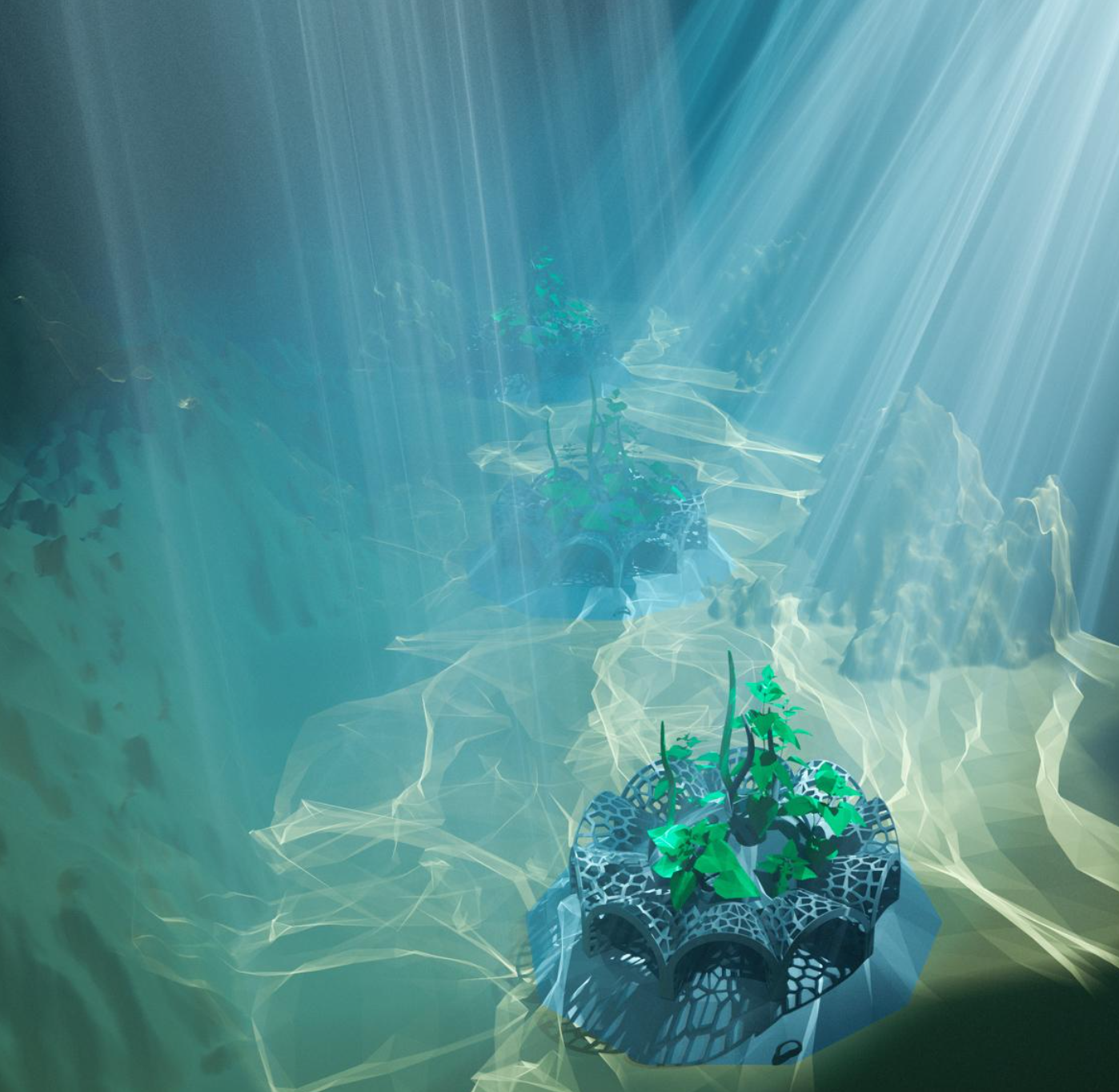
JANUS closes the loop between ecological control and regeneration. It is a scientifically informed, bio-inspired system that supports ecological restoration today and sustainable aquaculture tomorrow, with potential to transform coastal communities.
REFERENCES
Laur, D.R., Ebeling, A.W. & Reed, D.C. Experimental evaluations of substrate types as barriers to sea urchin (Strongylocentrotus spp.) movement. Mar. Biol. 93, 209–215 (1986). https://doi.org/10.1007/BF00508258
Restoration. (2024). The Mysterious World of Bull Kelp. Retrieved April 8, 2025, from
https://bullkelp.info/restoration
Siikavuopio, S., Jacobsen, R., Evensen, T., & James, P. (2012). Efficiency of trap type, soak time and bait type and quantities for harvesting the sea urchin Strongylocentrotus droebachiensis
(Müller) in Norway. Fisheries Research, 193, 15-20. https://doi.org/10.1016/j.fishres.2017.03.021
Sivertsen, K., Dale, T., & Siikavuopio, S. I. (2008). Trap Catch of Green Sea Urchins
Strongylocentrotus droebachiensis in Kelp Beds and Barren Grounds on the Norwegian Coast.
Journal of Shellfish Research, 27(5), 1271-1282. https://doi.org/10.2983/0730-8000-27.5.1271