FLEXSEAT
ADAPTIVE SEATING SOLUTION FOR HYBRID WORKERS
PERSONAL PROJECT - SEPT 2024
Duration: 4 months
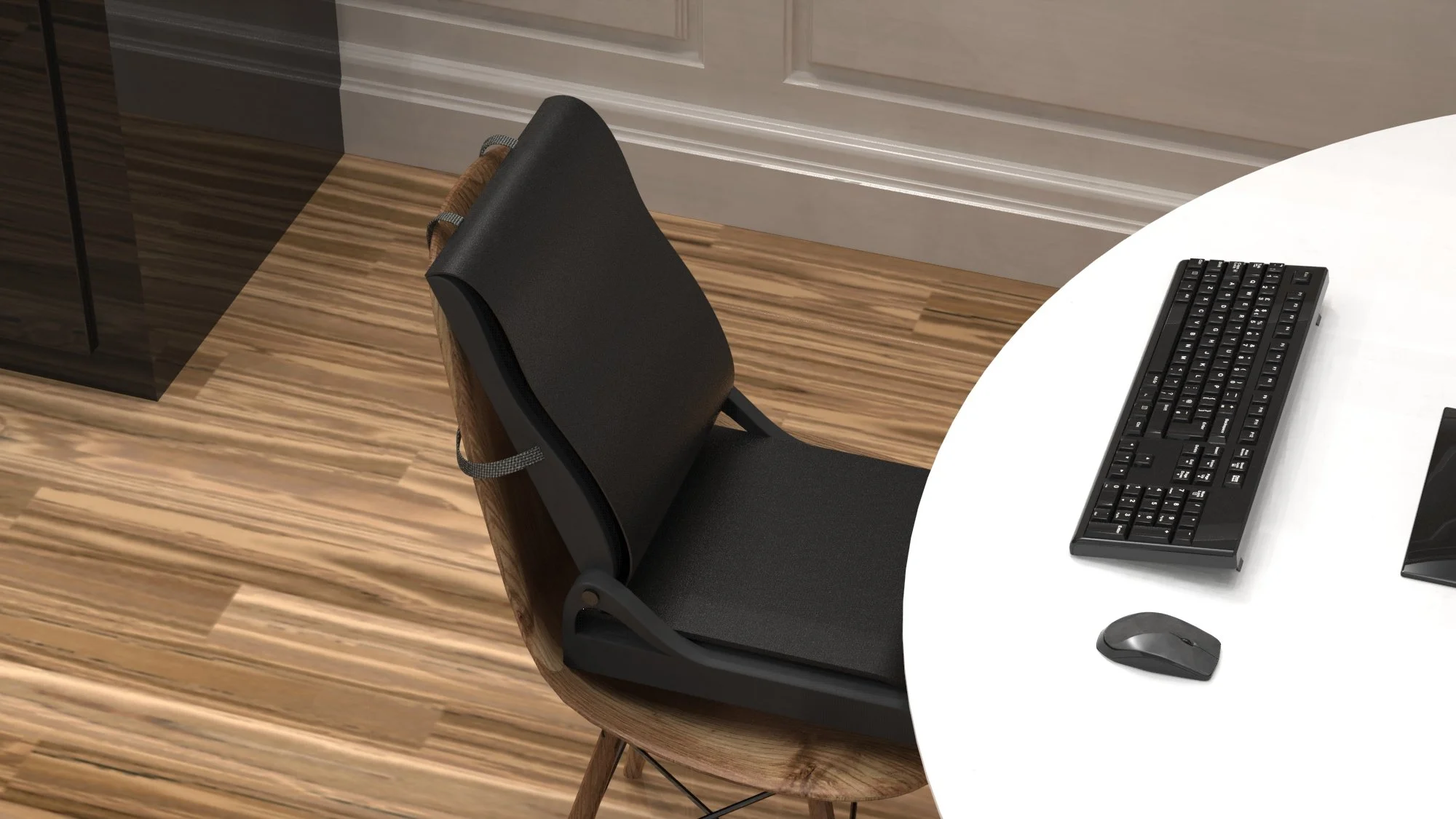
DESIGN MISSION
How can I design a seating solution that provides the ergonomic benefits of ergonomic furniture by supporting natural spinal curvature, reducing pressure points, and promoting healthy circulation, while fitting seamlessly in a home environment?
DEFINING THE PROBLEM
With the rise of hybrid and remote work, many people lack proper ergonomic support at home.
User interviews revealed that 67% of workers rely on household seating such as dining chairs, couches, or stools because their workspaces are temporary or located in shared living spaces.
According to NIOSH, these makeshift workstations can lead to poor posture, back pain, and other long-term health issues. As remote and hybrid work continues to grow globally, more people are adapting their homes in ways that compromise their physical well-being.
There is a growing need for a portable and ergonomic seating solution that supports the body without requiring a full home office.

WHO IS THIS FOR?

TARGET AUDIENCE
Hybrid and remote workers who either work fully from home or split their workweek between home and an office.
These users:
Are less likely to invest in office furniture because their home workspace is temporary or integrated into living areas like bedrooms or living rooms.
Often live in urban areas or tech hubs where smaller living spaces and compact apartments limit the practicality of bulky furniture.
RESEARCH
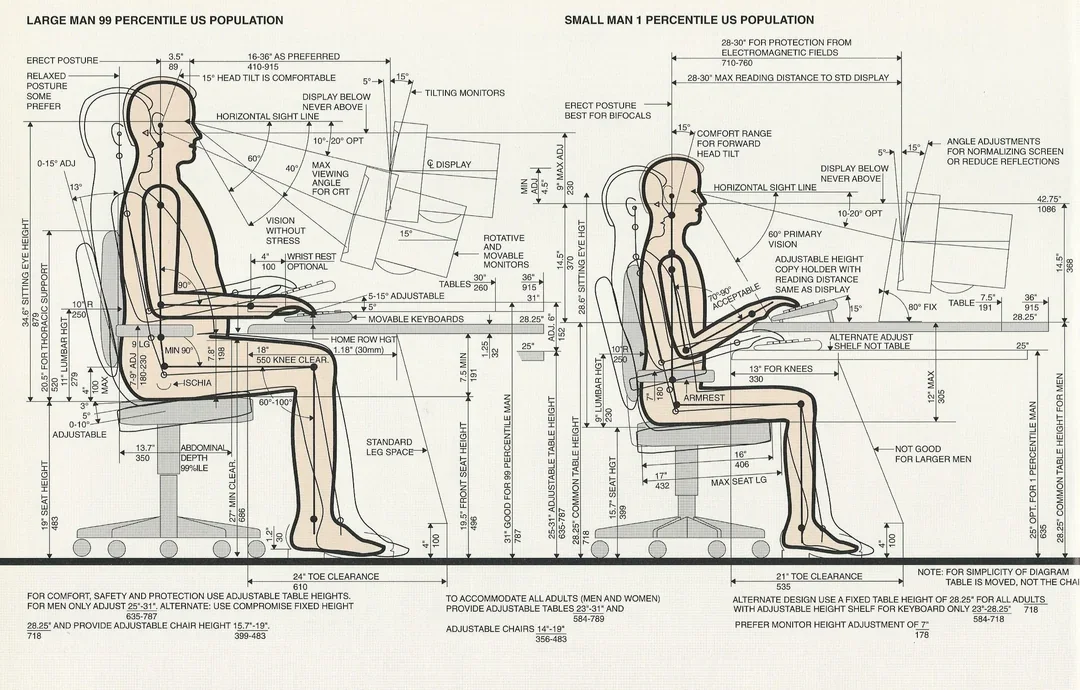
ANTHOPOMETRICS
To design seating that offers effective support for a wide range of users, I combined anthropometric data with direct user measurements. Henry Dreyfuss’ Measure of Man and Woman served as a reference for general body dimensions and tested with 10 participants between 4’11” and 6’4” tall to cover diverse body types.
Key measurements taken included:
Overall height and weight
Sitting height and hip width
Lumbar spine curvature and lumbar height
Pelvic tilt and seat depth
These data points guided prototype adjustments to ensure the seat fits a wide range of bodies, supports healthy posture, and distributes pressure evenly for lasting comfort.
PRIMARY RESEARCH AND INTERVIEWS
I conducted 3 rounds of interviews and testing with 15 total participants. The first set was done with an early low-fidelity model, another with a high-fidelity model, and the final round with the product of this project. The initial interviews helped identify the key pain points in the user’s lifestyle and work habits, and testing throughout the course of the project helped determine what changes needed to be made.
BEHAVIORS IDENTIFIED
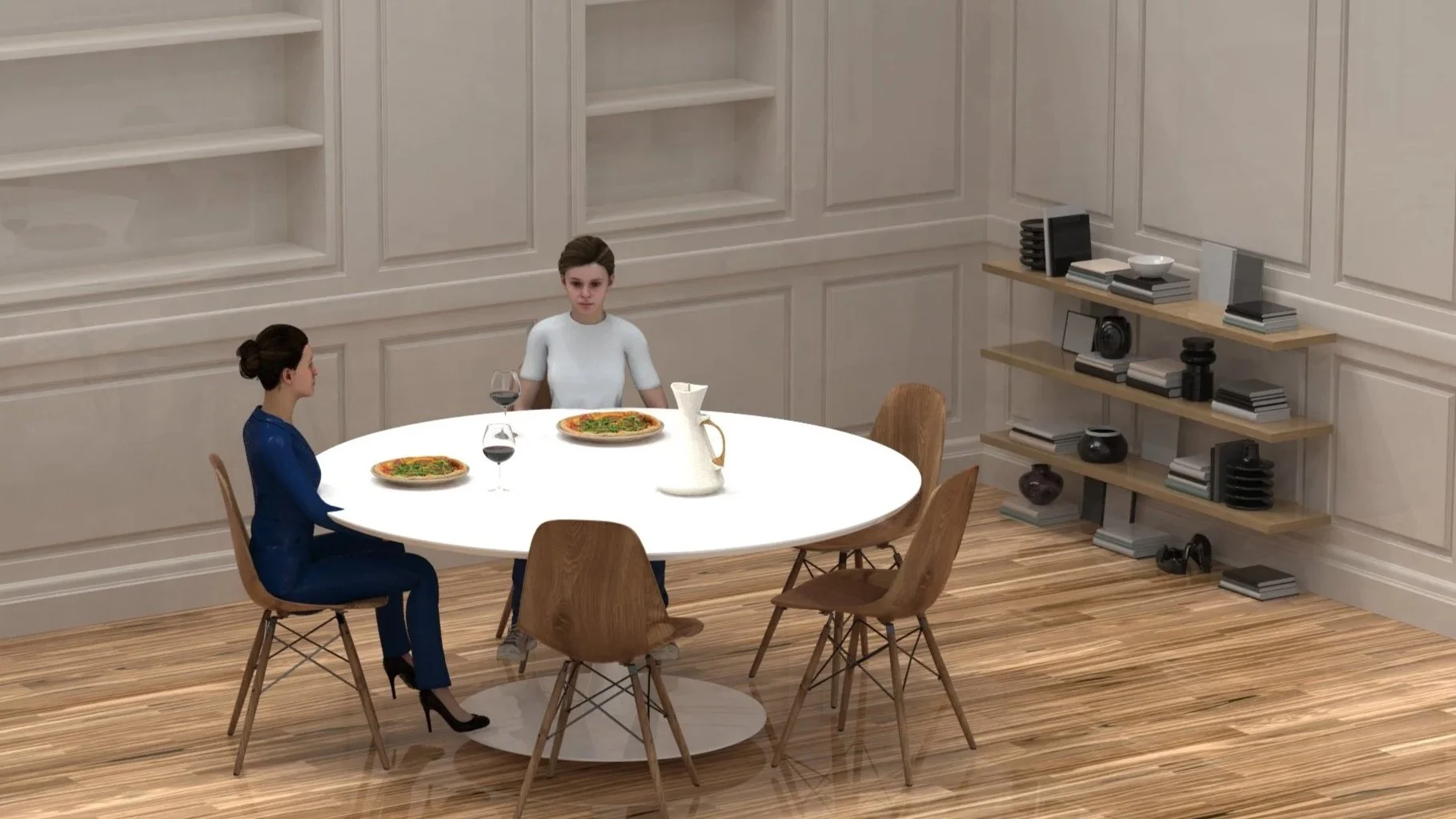
Many people worked from home in informal setups, often at dining tables, kitchen counters, or on couches. These spaces were not intended for long periods of sitting and cause discomfort.
DESIGN DIRECTION
Without a designated home office, users end up placing bulky chairs in living areas, bedrooms, or even kitchens where they don’t fit in. Most task chairs are bulky, and disrupt living spaces visually and spatially. This is especially true for workers who are hybrid or only work from home part-time.
Identifying this as a key challenge helped guide my decisions and became the driving force behind design decisions.
Lack of Designated Workspace
IDEATION
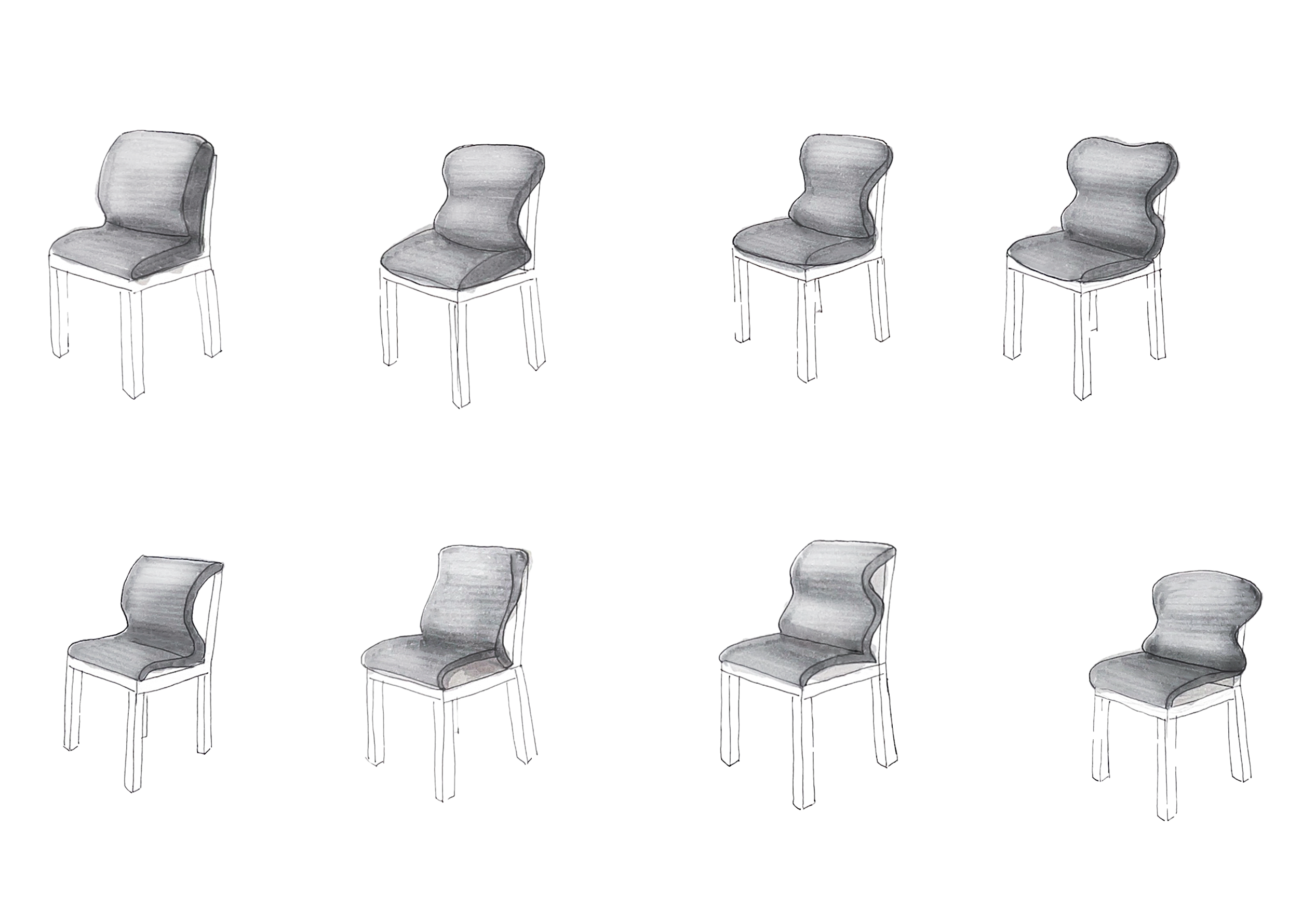
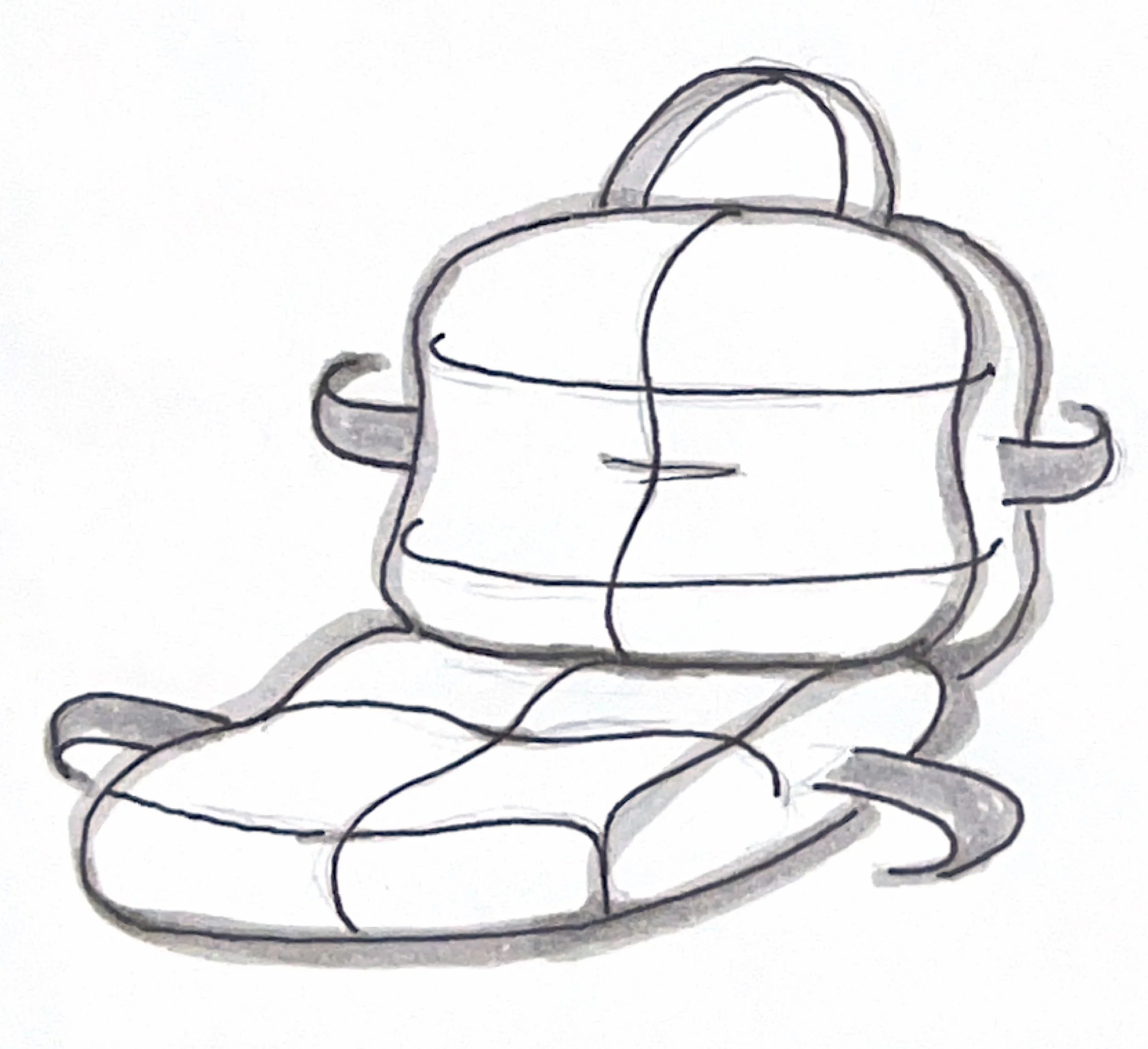
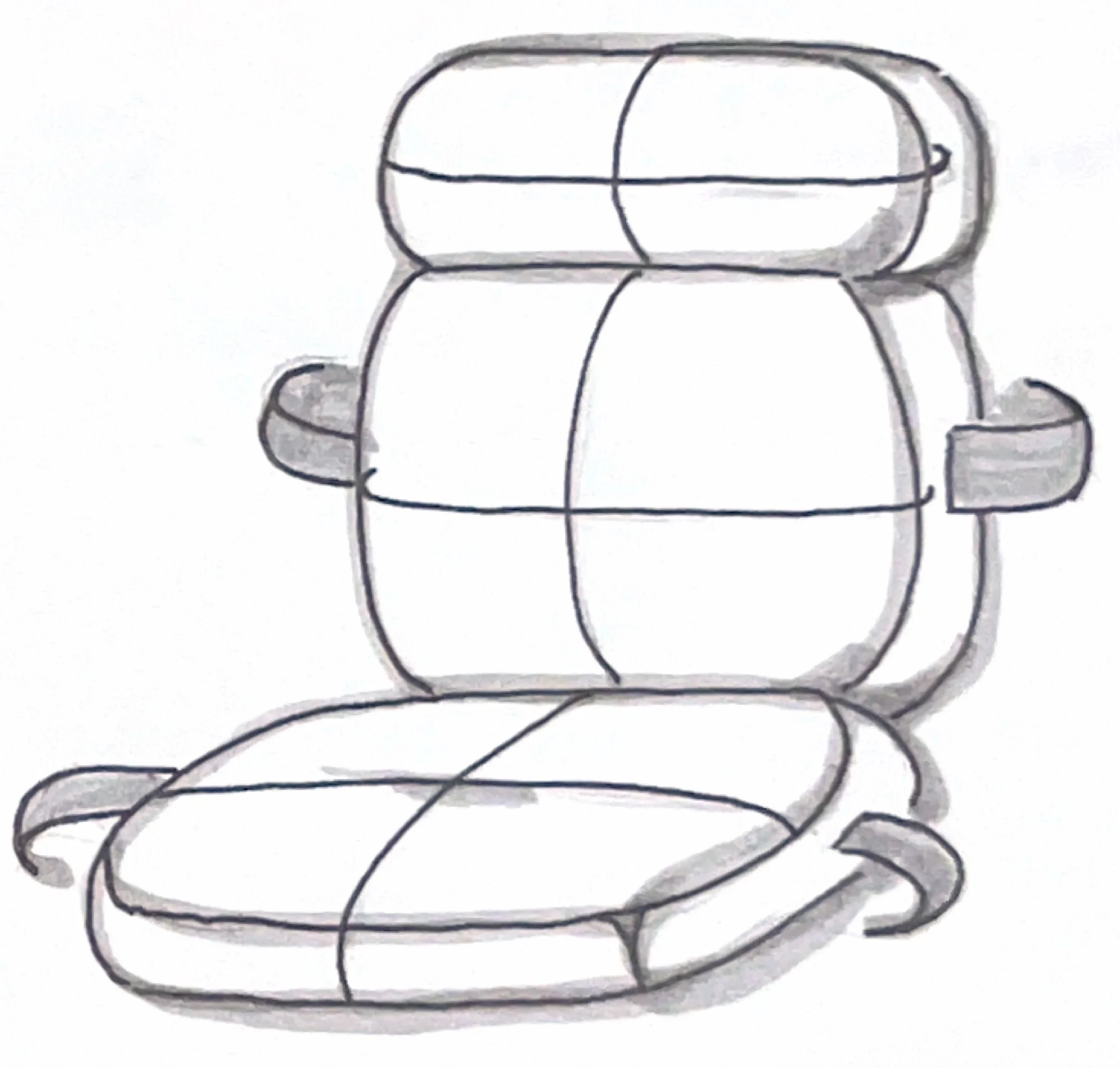
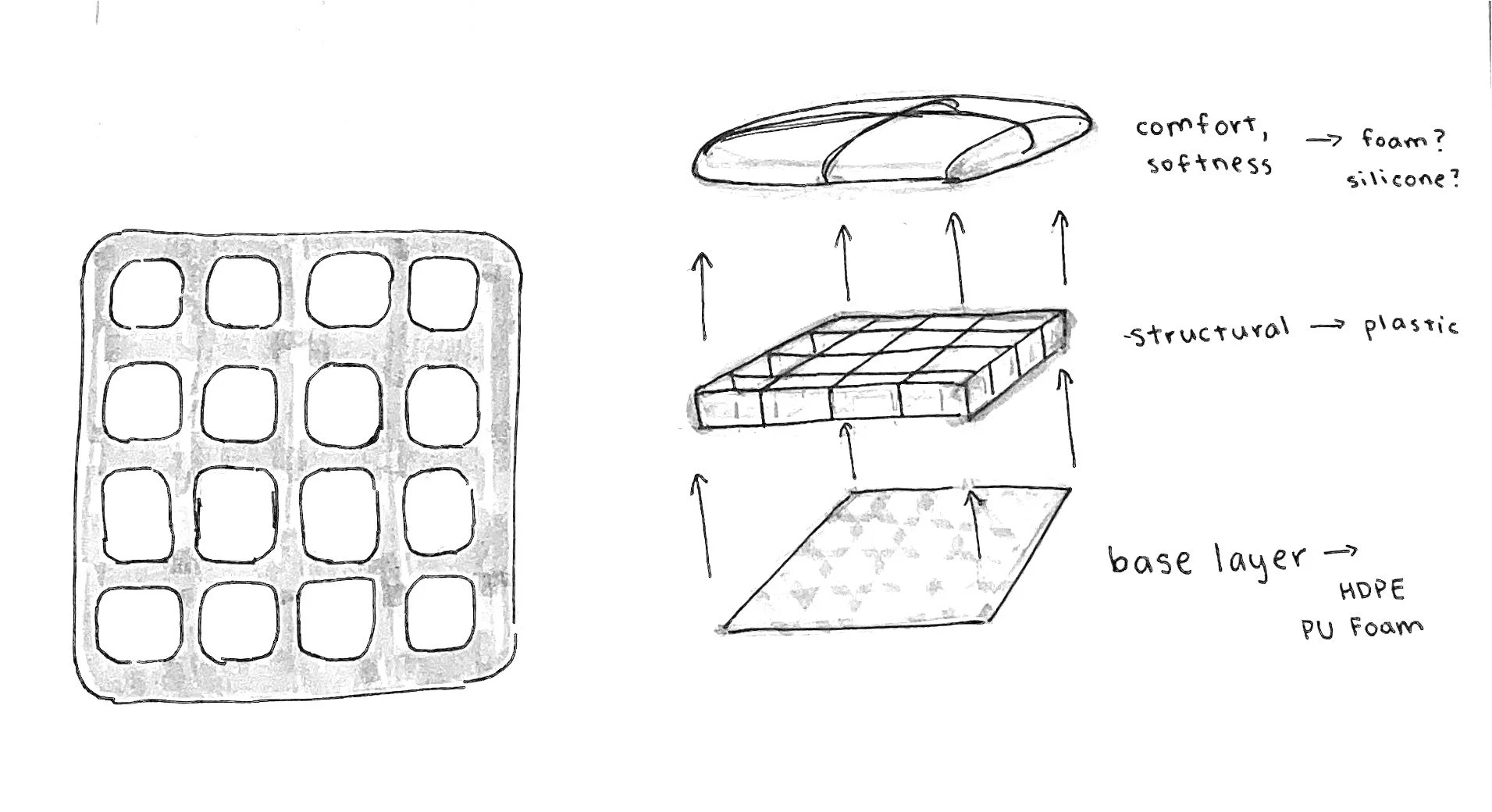
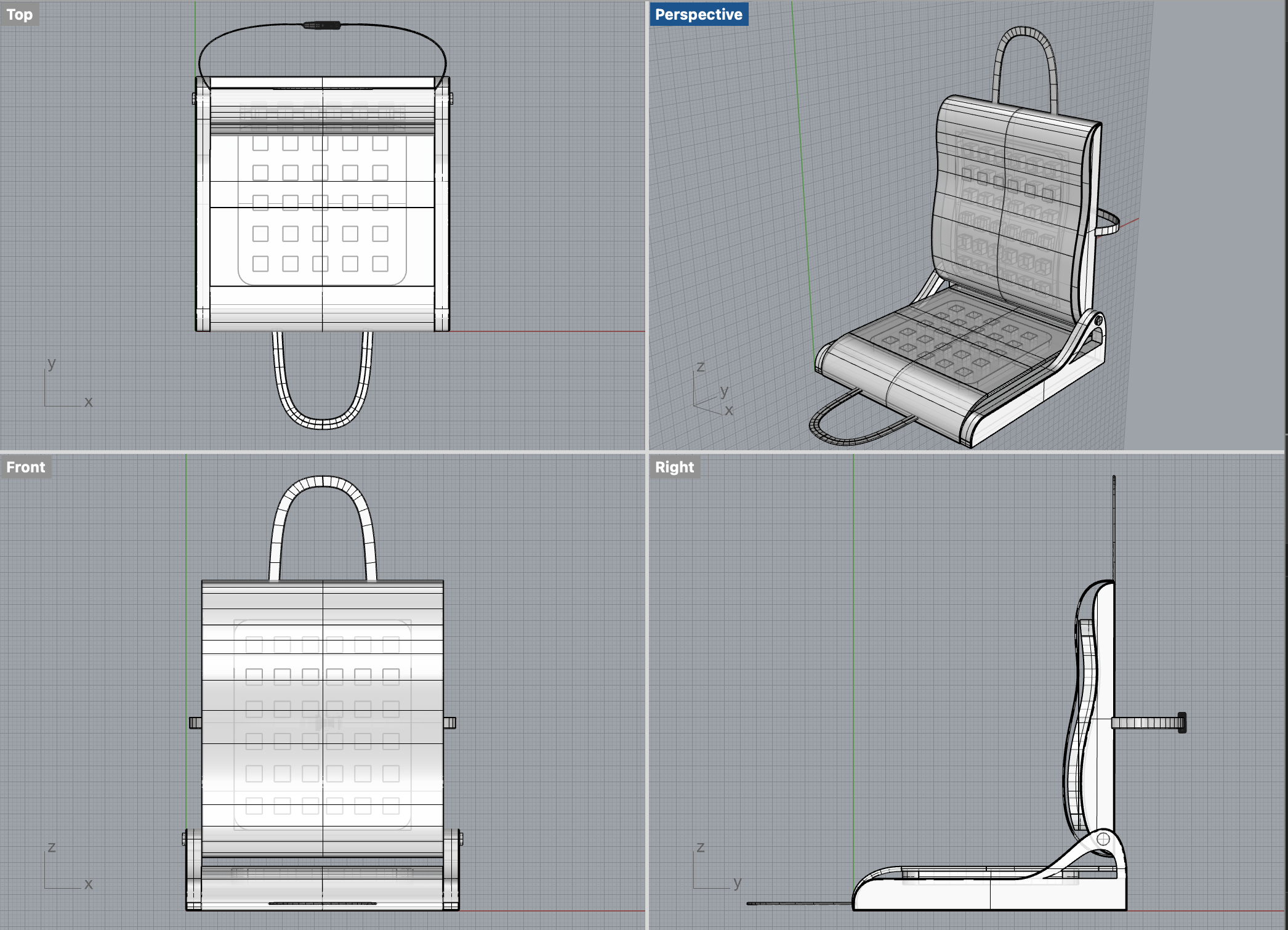
Sketch iterations helped to explore form, function, and structure of the seat’s base and mechanisms.
The process allowed me to further iterate on the visual elements and begin conceptualizing the folding mechanism as well as lumbar curvature. This development also supported the consideration of materials and fabrication techniques.
USER TESTING
OBSERVATION
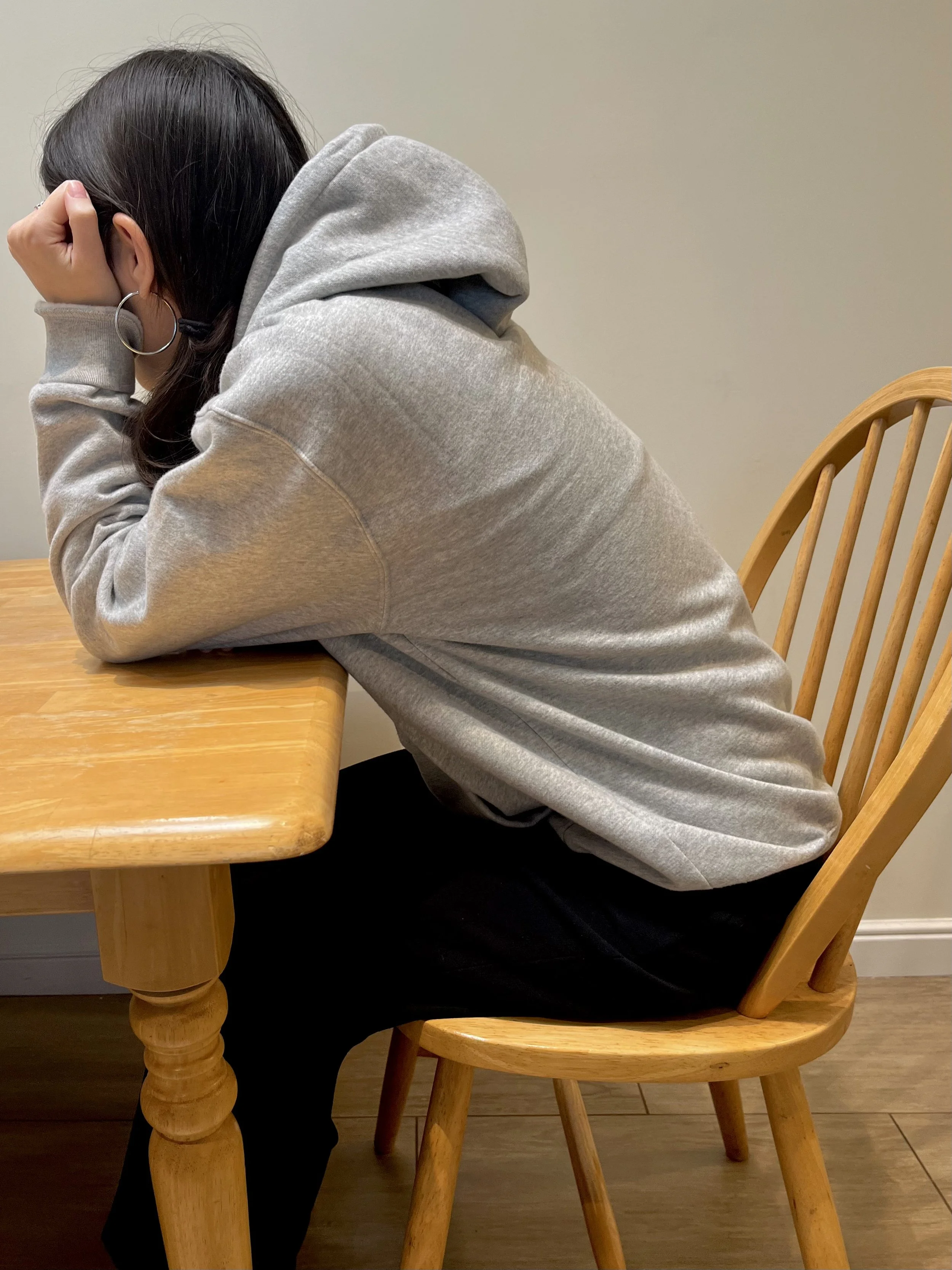
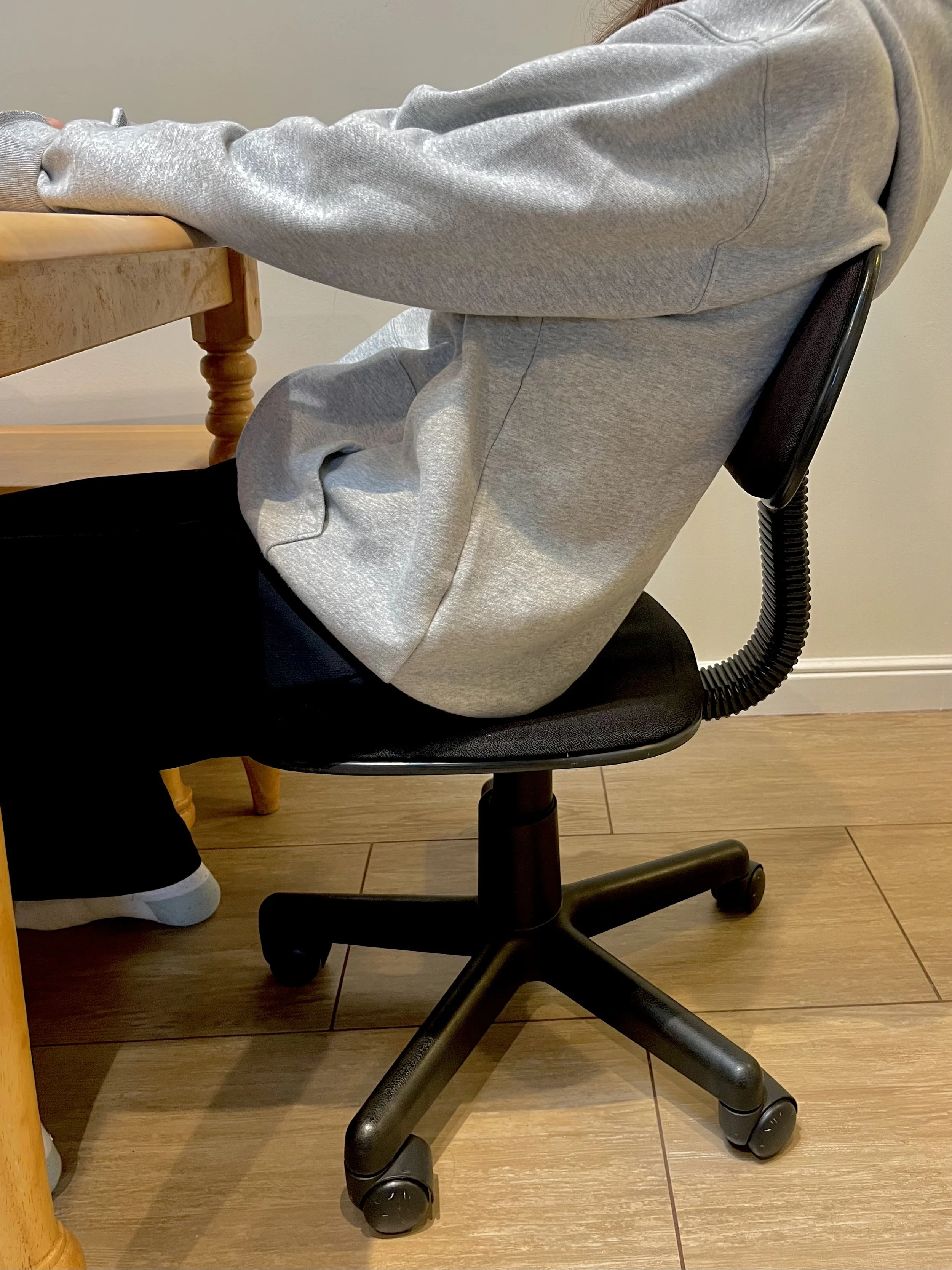
To validate my initial research, I conducted three rounds of testing with student volunteers seated for prolonged periods in their typical home settings using dining chairs and inexpensive office chairs lacking proper lumbar support.
Compared to ergonomic chairs, these seats caused users to frequently shift weight, often hunching forward or sitting far back or ‘sinking’.
These postures reflect a loss of natural spinal curvature, as noted in NIOSH’s ergonomic guidelines. Participants reported discomfort in all positions, with relief only from constant movement.
MATERIALS
The seat cushion portion must distribute bodyweight and provide softness and support. Two common seating materials were tested for a 30-minute seating period to determine comfort and performance for this application.
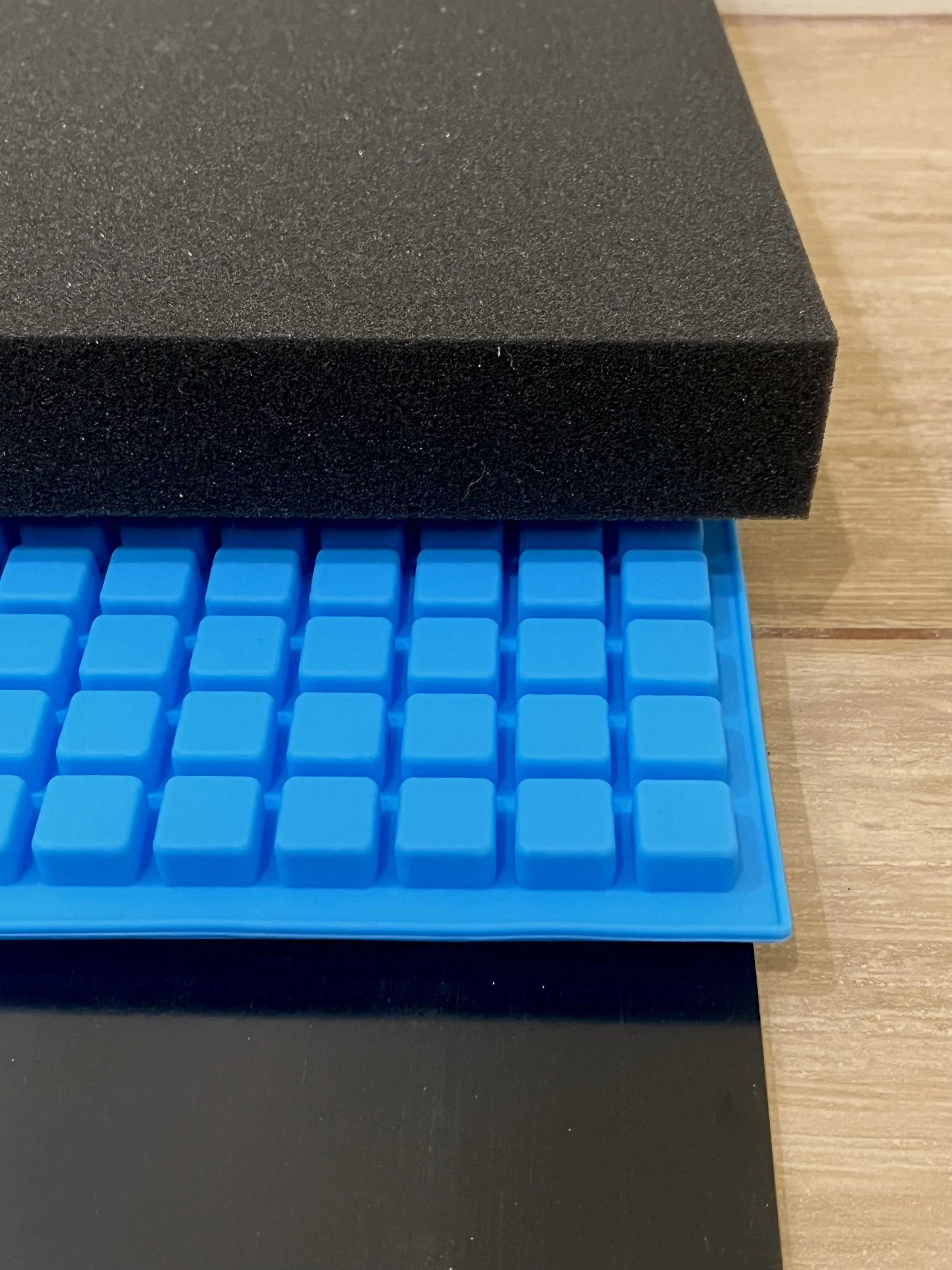
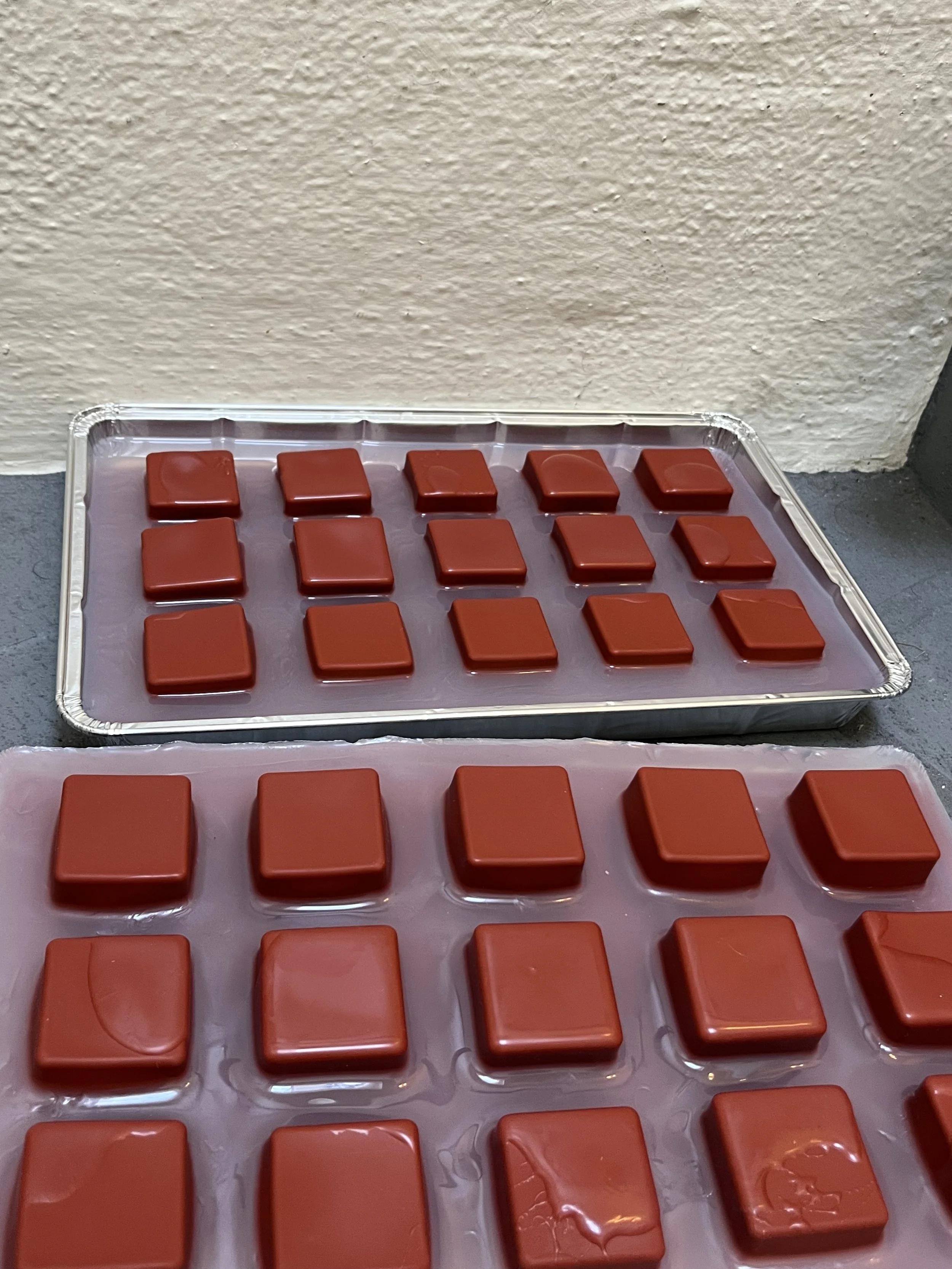
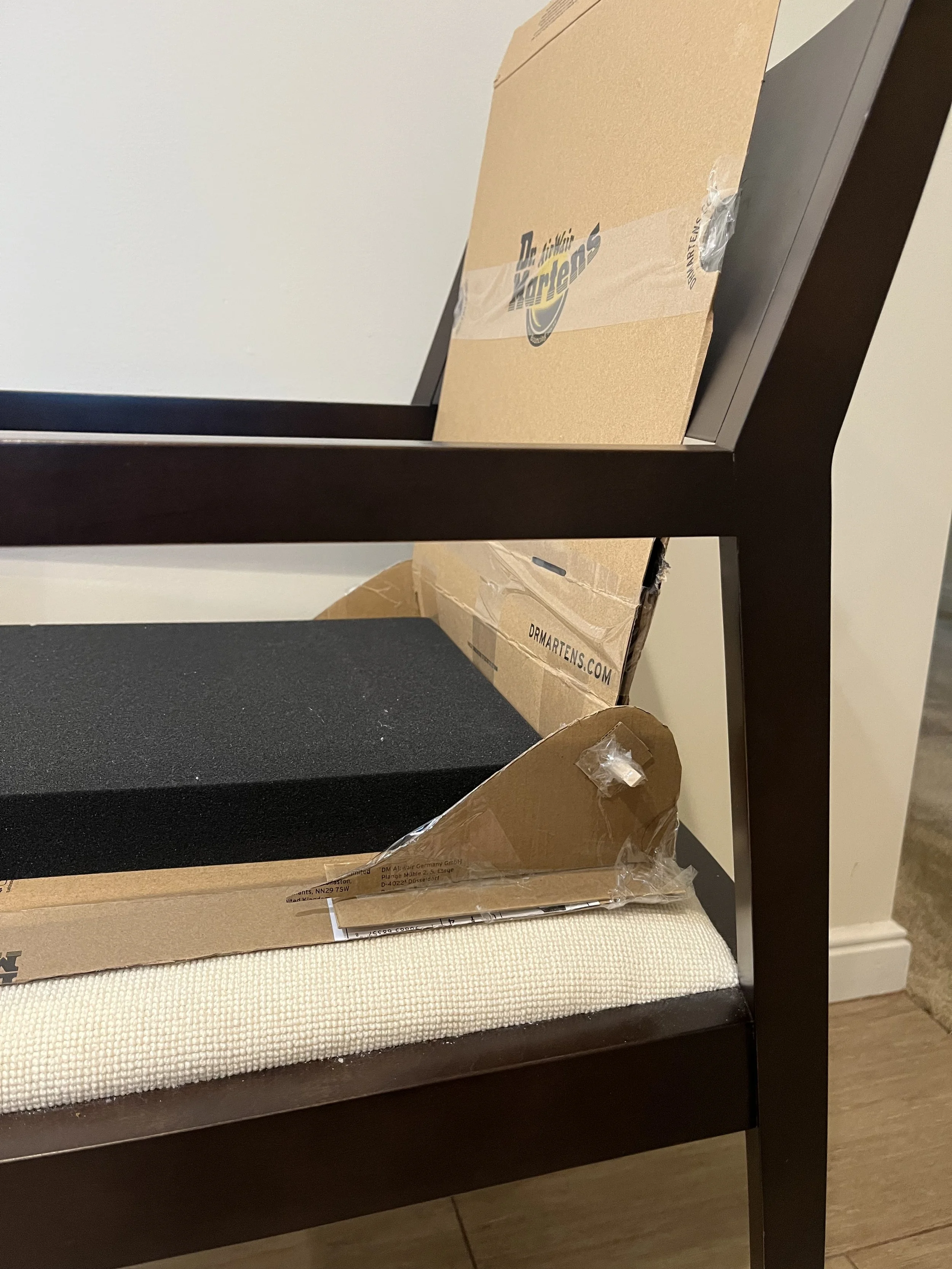
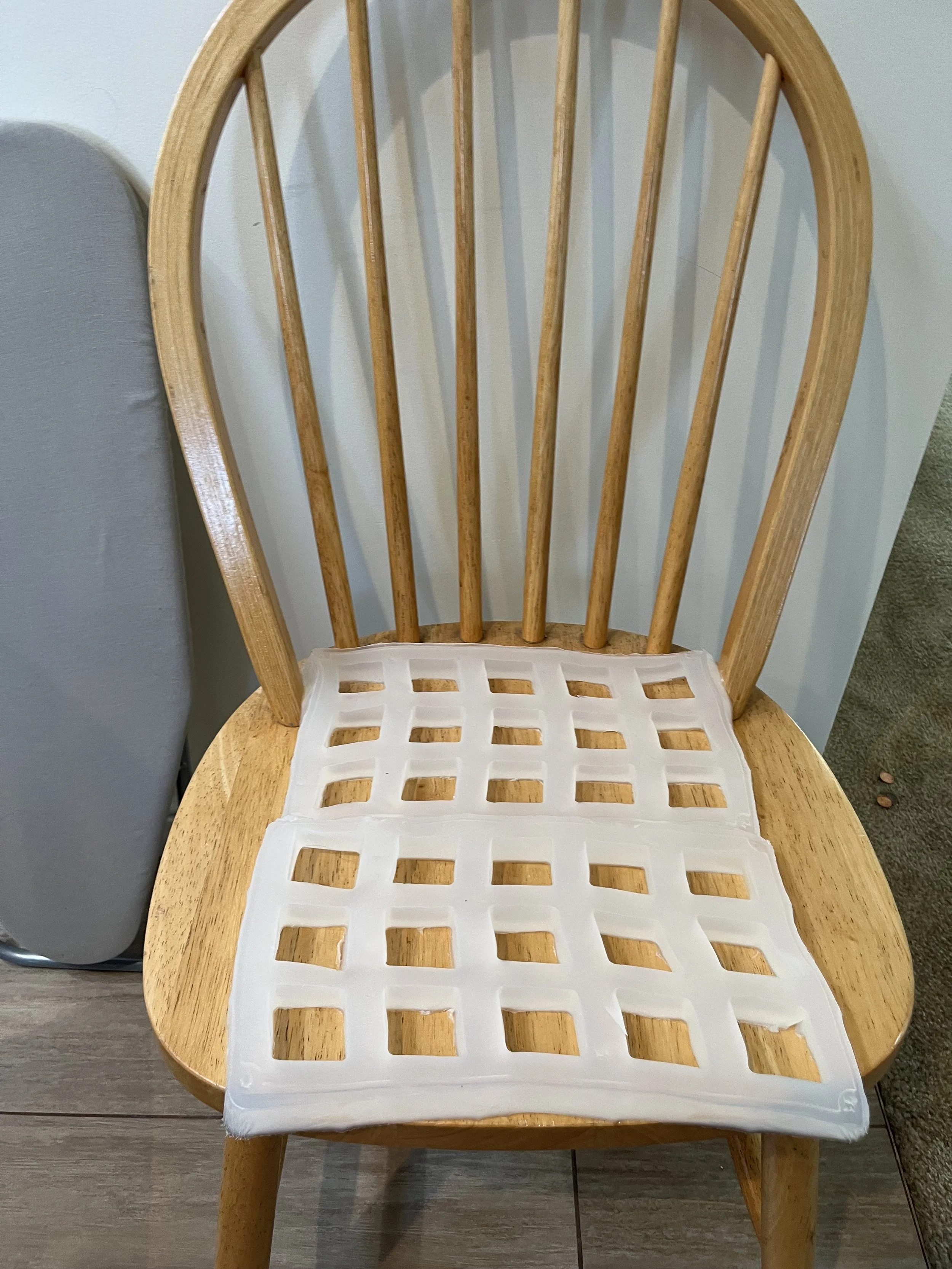
Material
2” PU upholstery foam (2 lbs/ft³ density)
1” 30 Shore A Silicone Sheet
2” Shore 00 Silicone: Perforated
Result
After a 30 minute period, users reported loss of support due to lack of structure and flattening, especially for heavier individuals
The next sit-test revealed that the silicone seat was softer, however, the overwhelming feedback was that it felt a bit ‘flat’ towards the end.
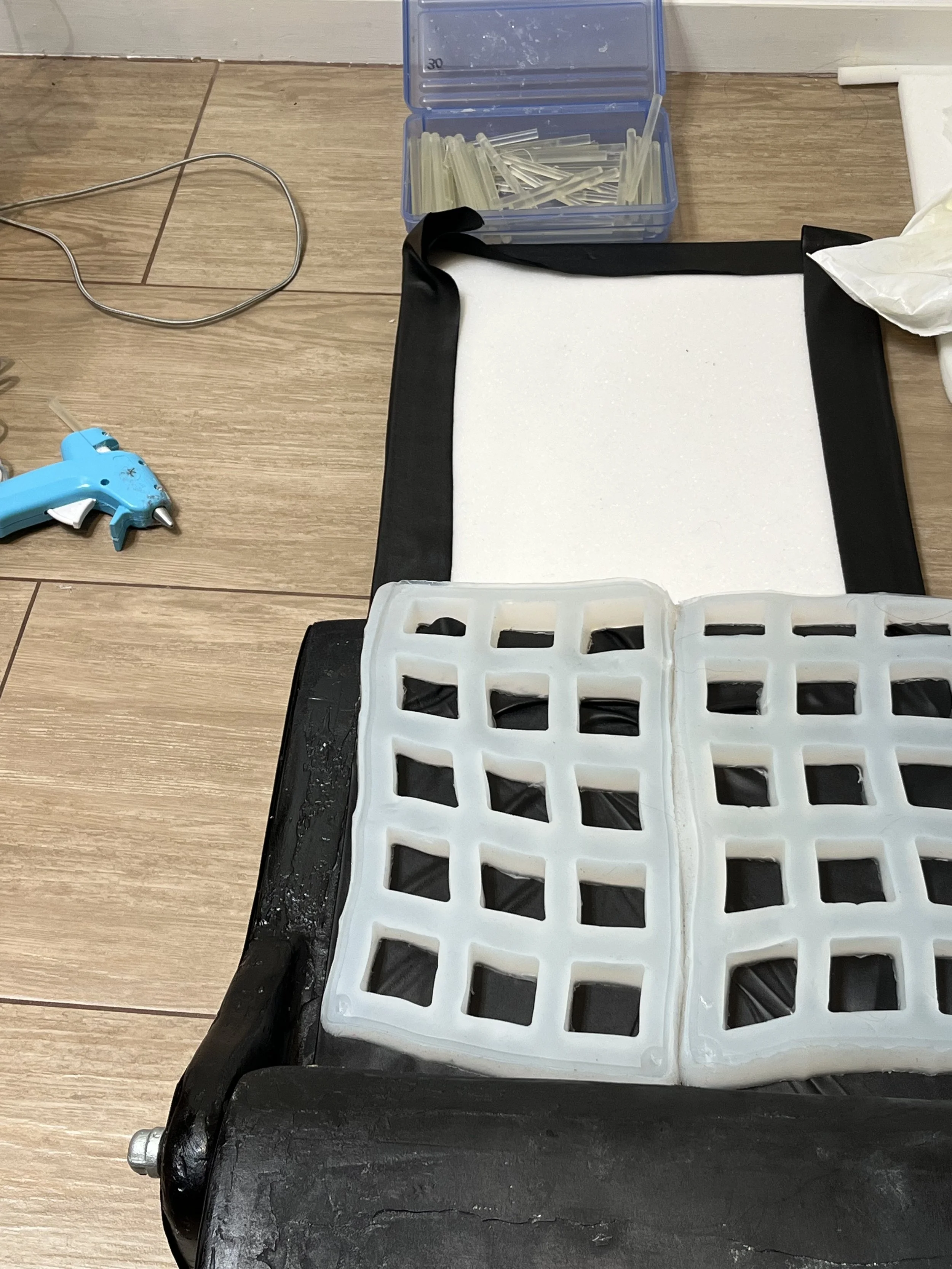
Finally, the silicone pad with perforations allowed the seat to remain soft and squishy without loosing shape or structure.
PROTOTYPES
PROTOTYPING
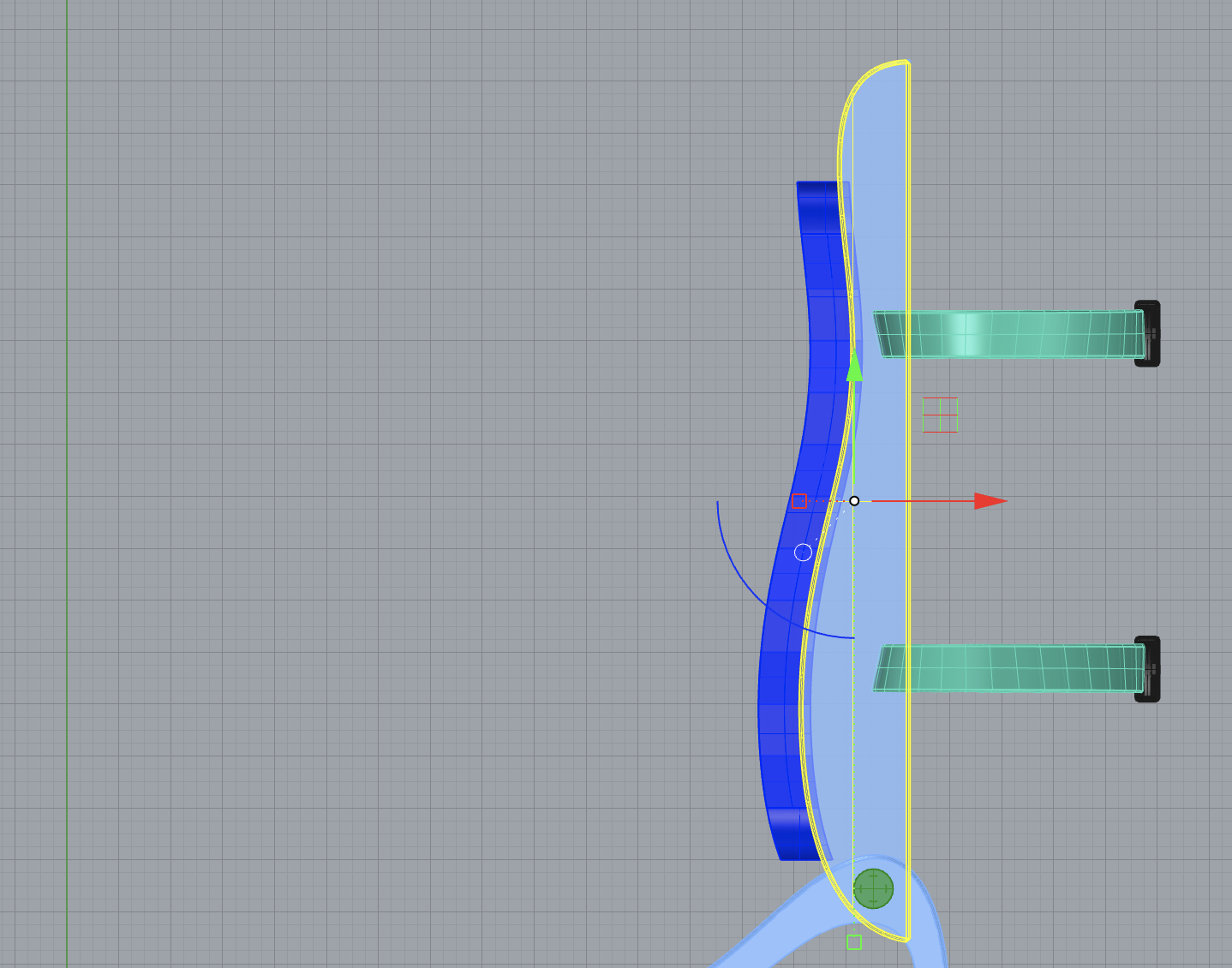
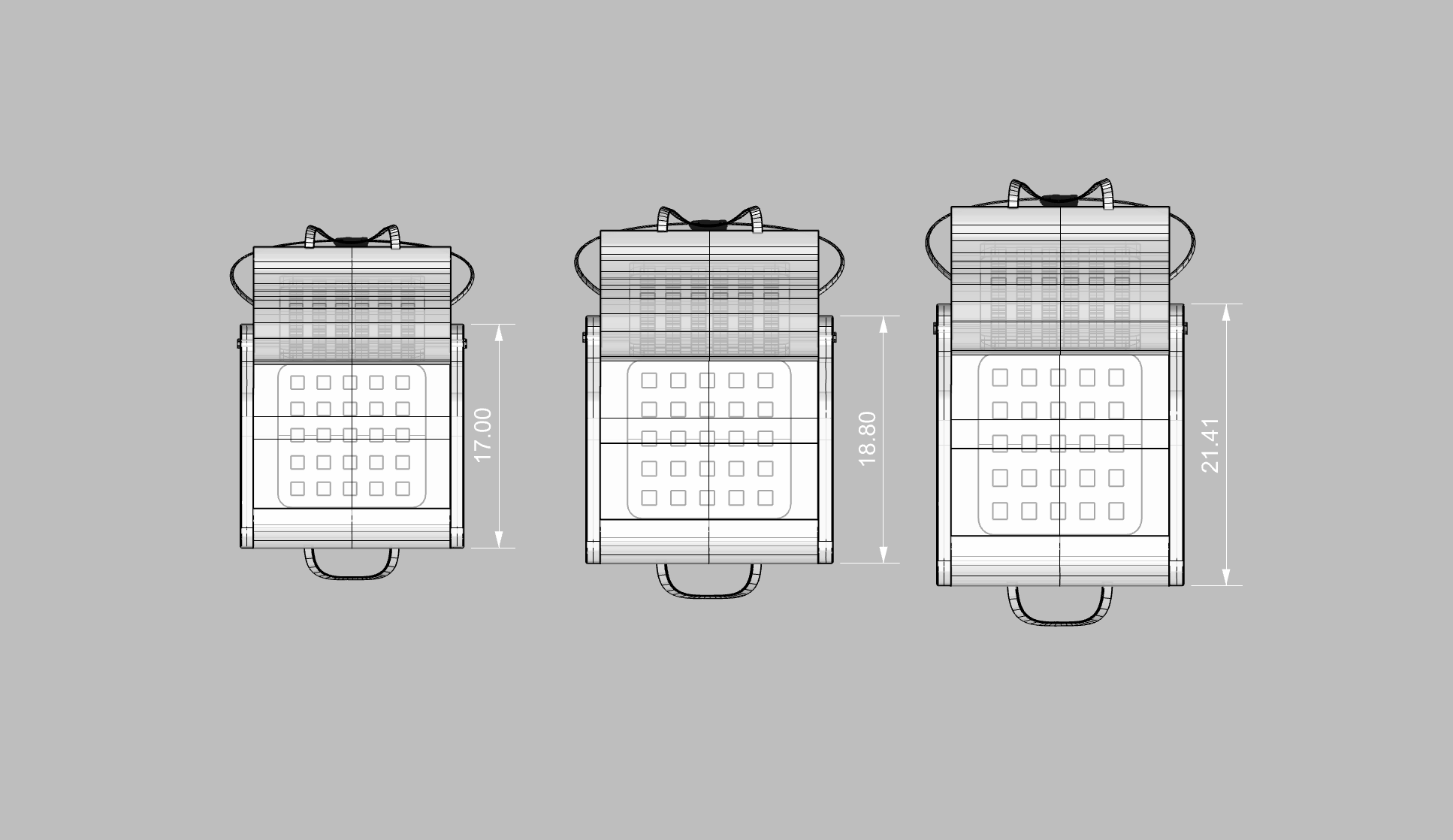
Extensive material and form exploration focused on optimizing comfort, pressure distribution, and long-term durability.
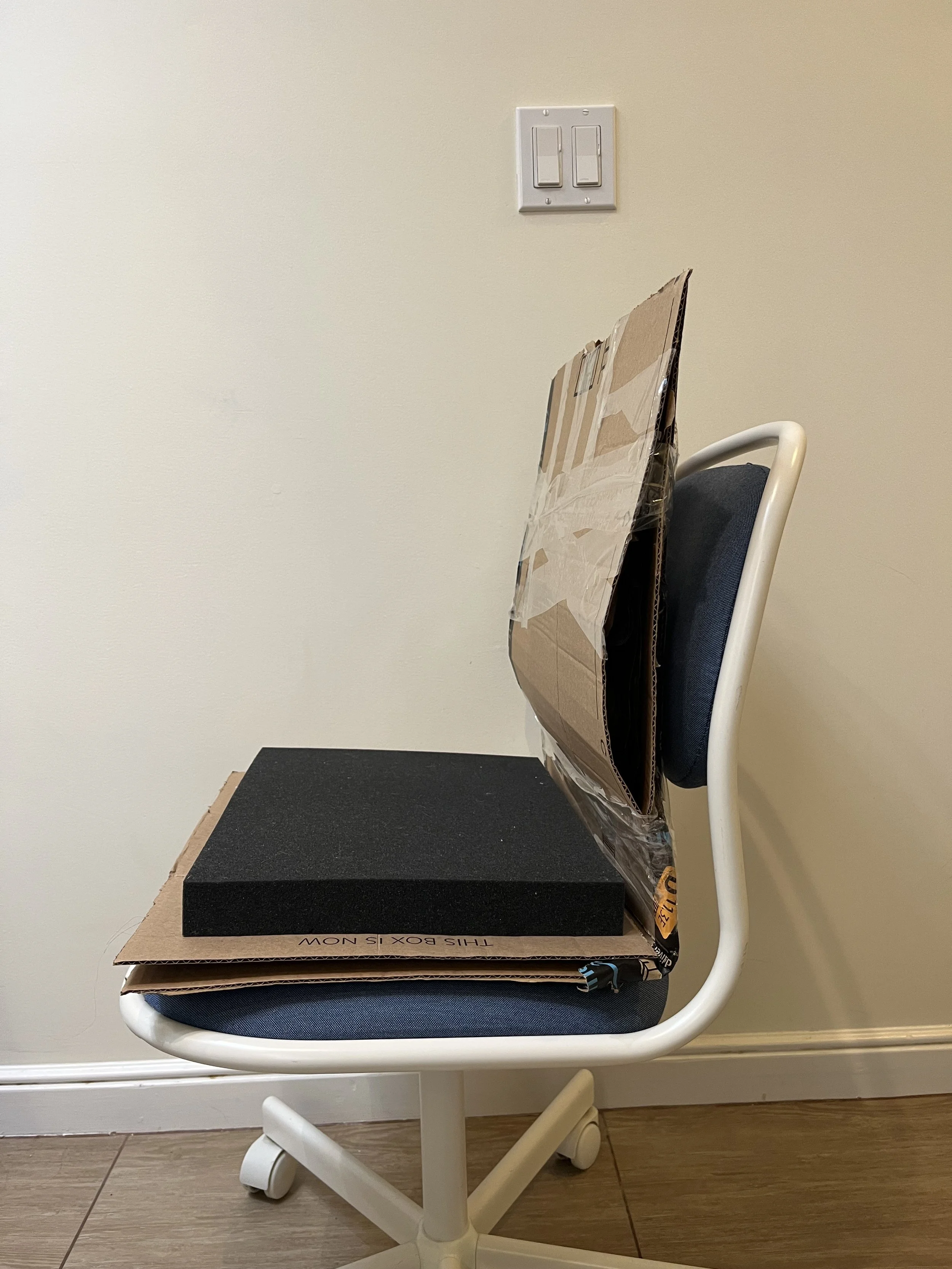
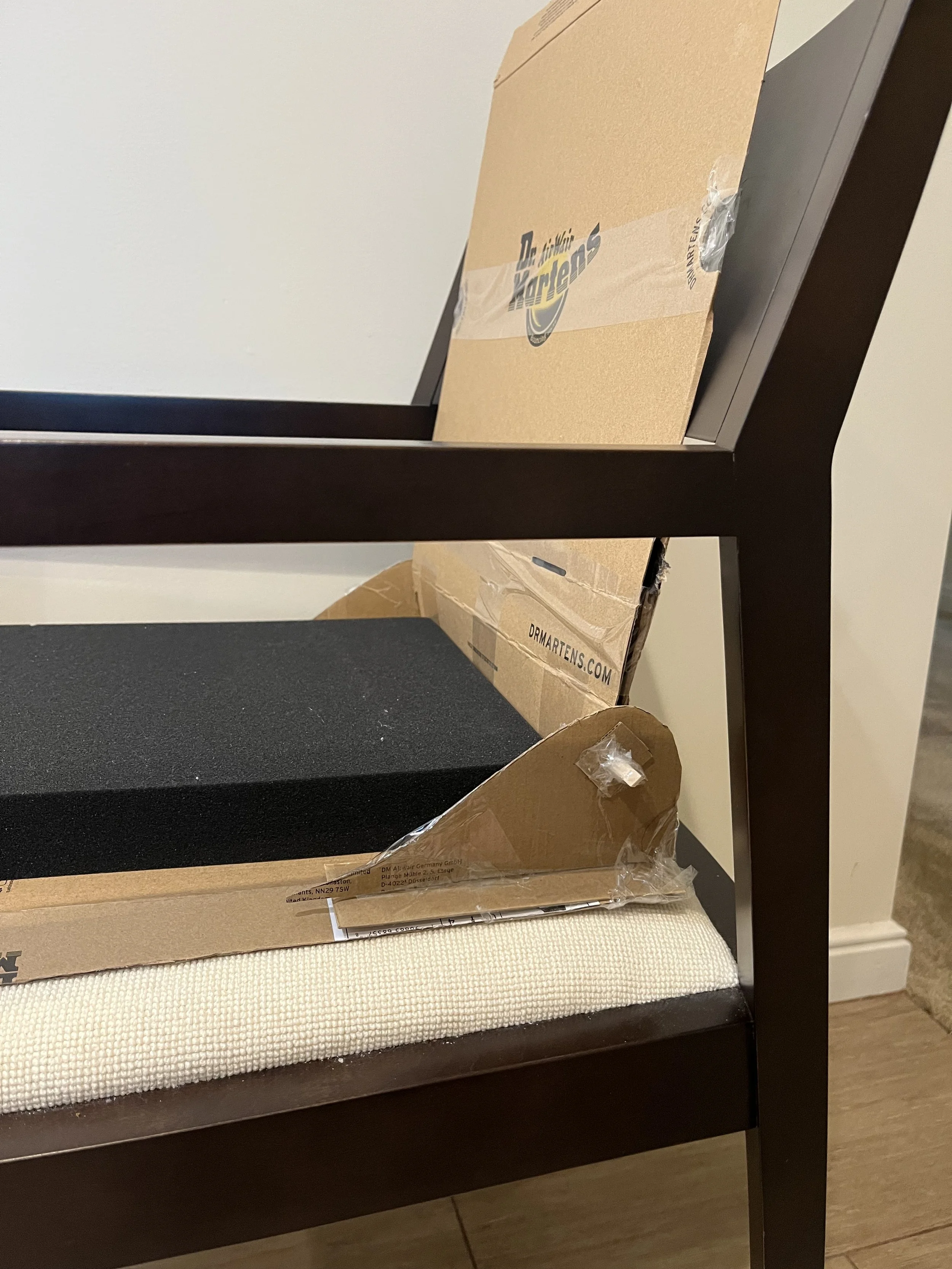
Low fidelity prototypes in the early stage helped confirm how the the structural elements would work to create the seat portable, and how it would integrate with existing casual seating such as the user’s dining chairs.
Cardboard models allowed rapid iteration of seat shapes and sizes. User testing included participants ranging from 4’11” to 6’4” to repeatedly test and refine the lumbar support design for a wide range of body types.
FABRICATION
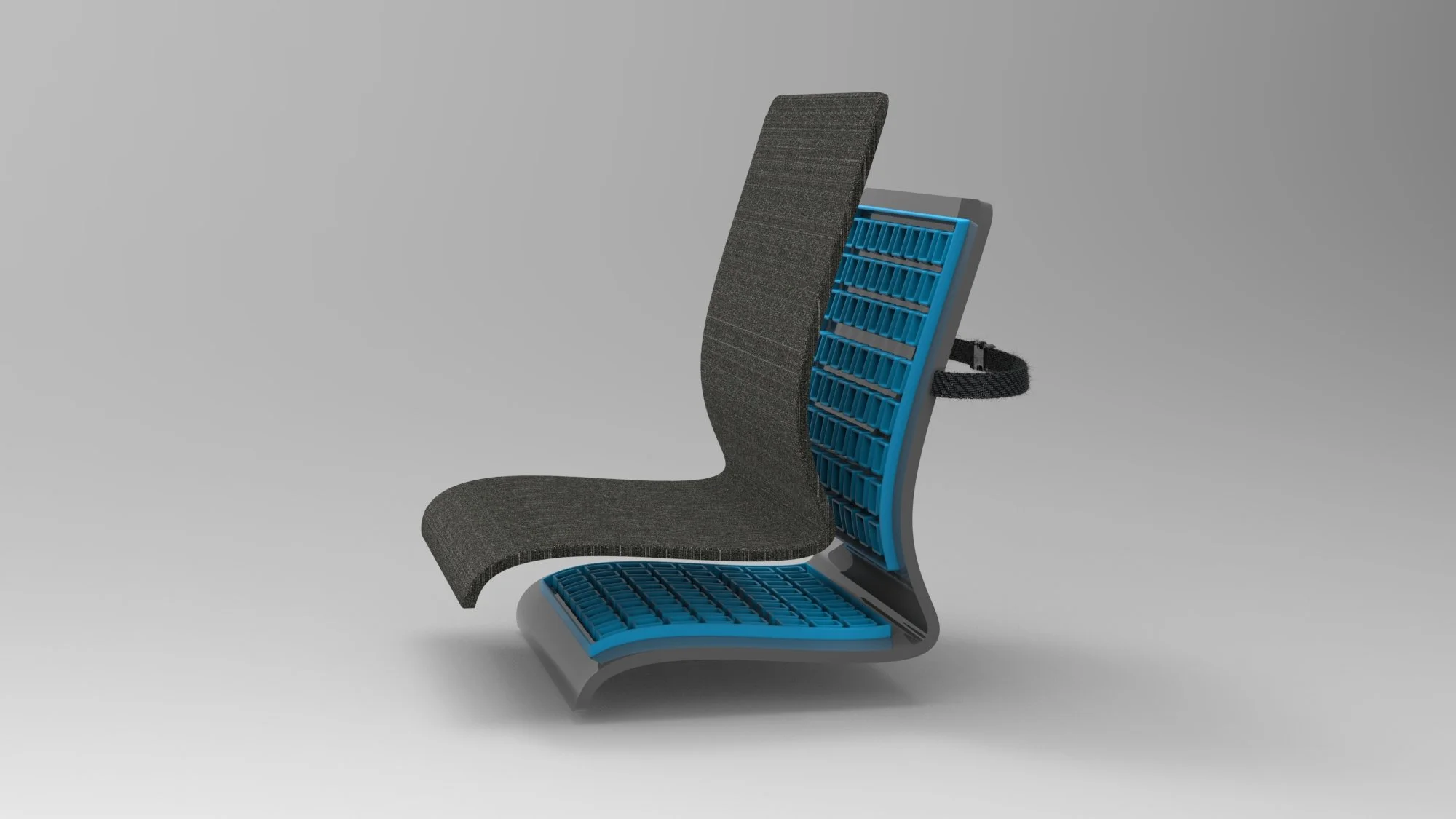
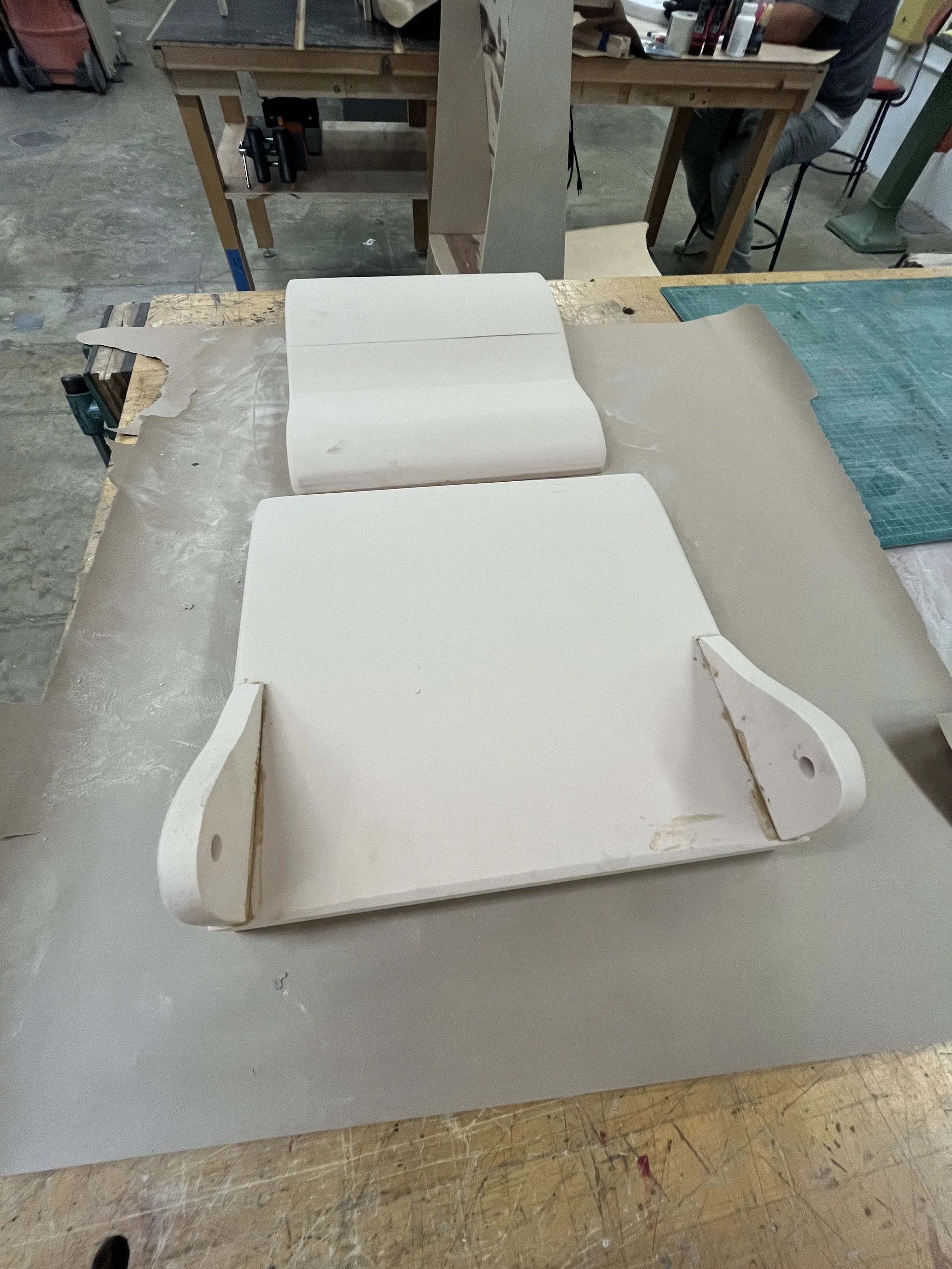
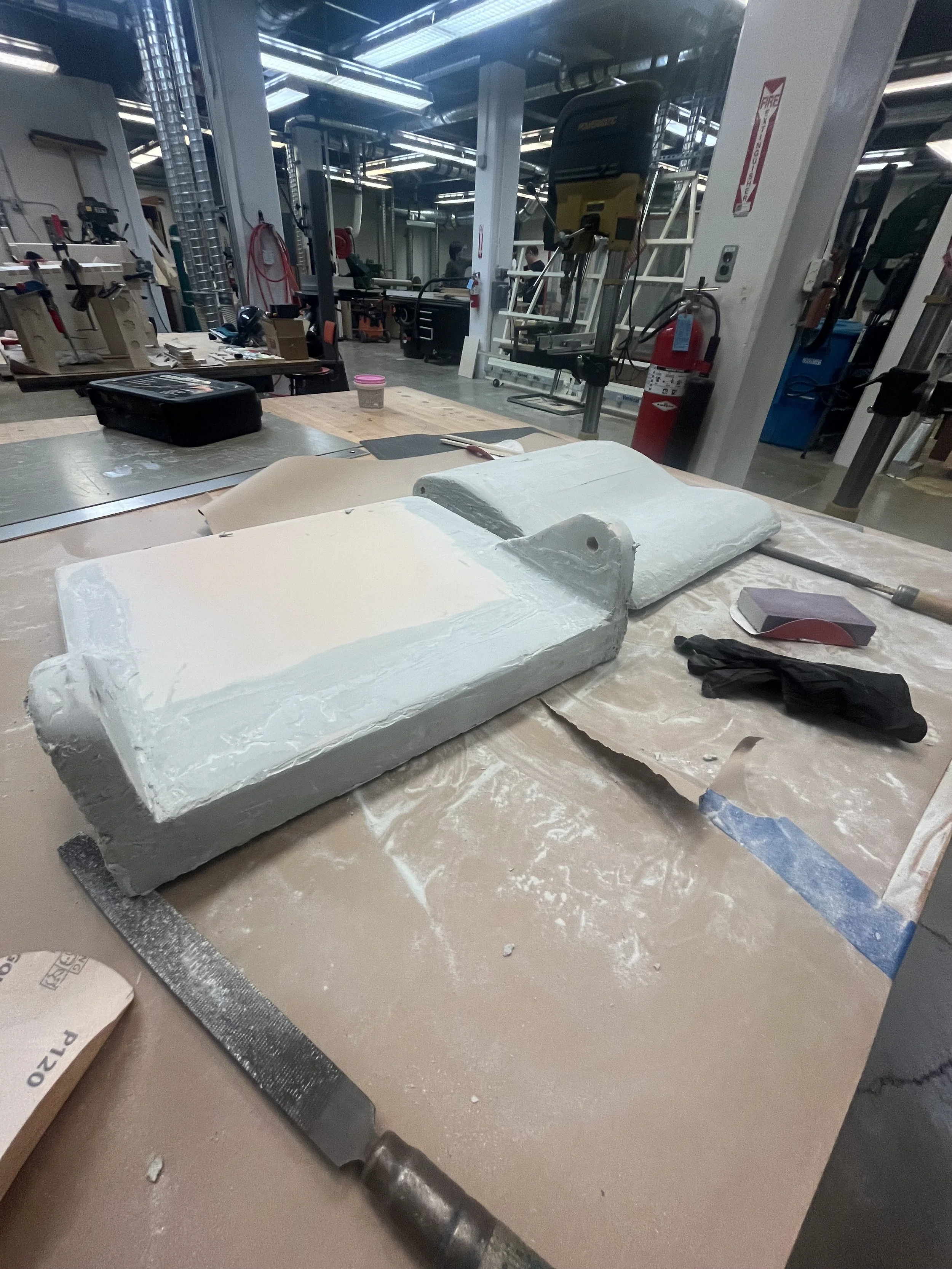
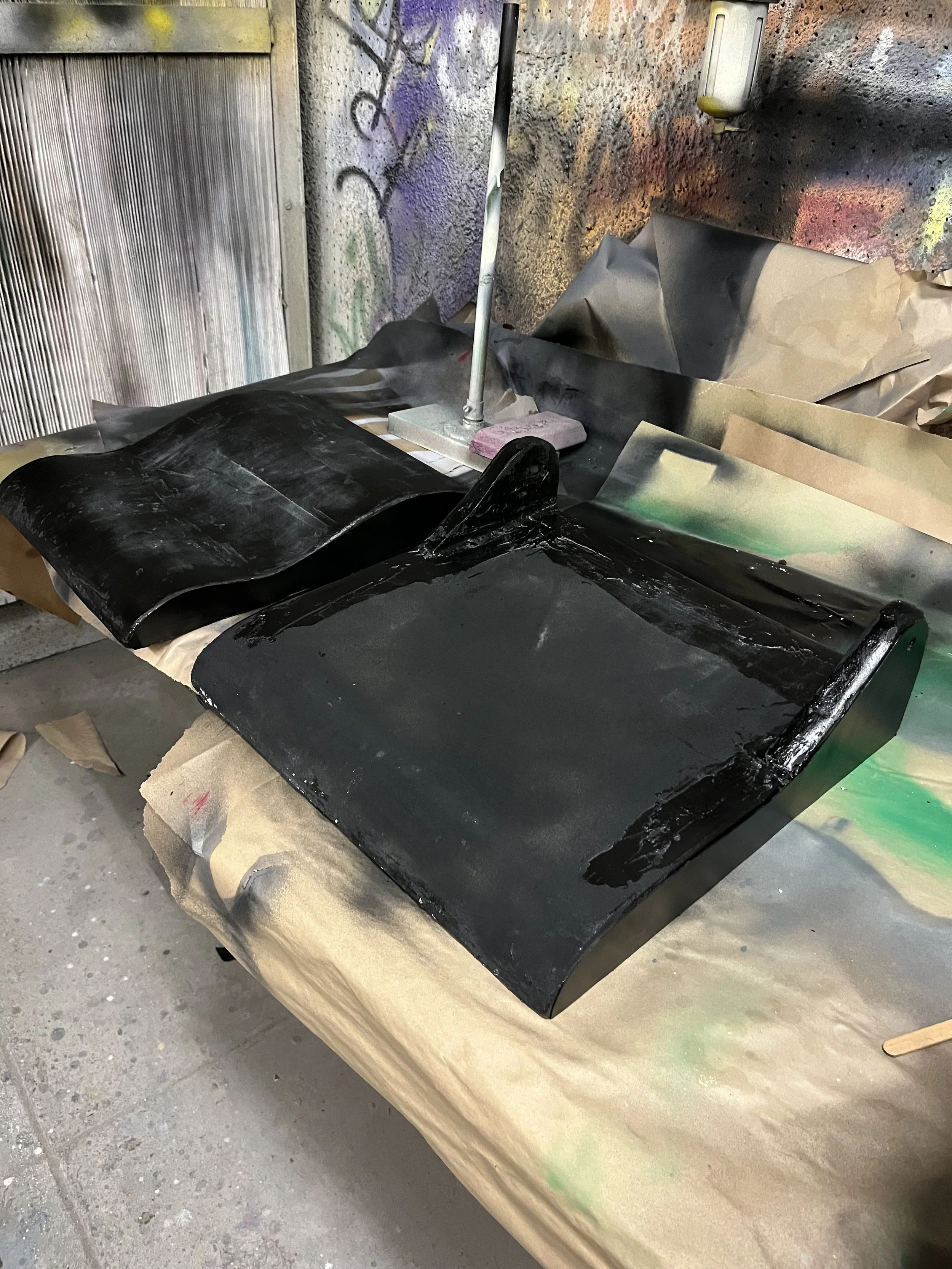
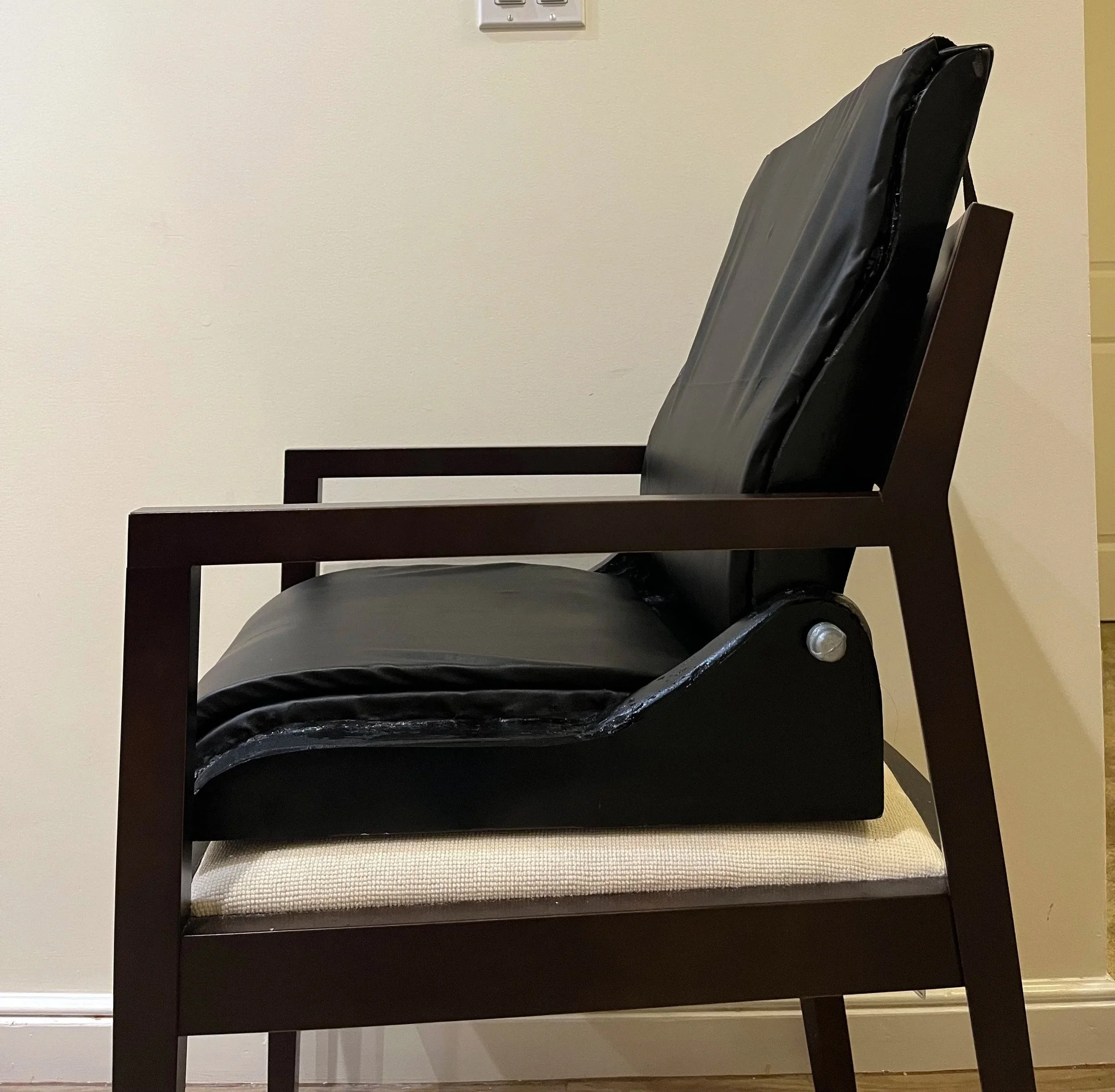
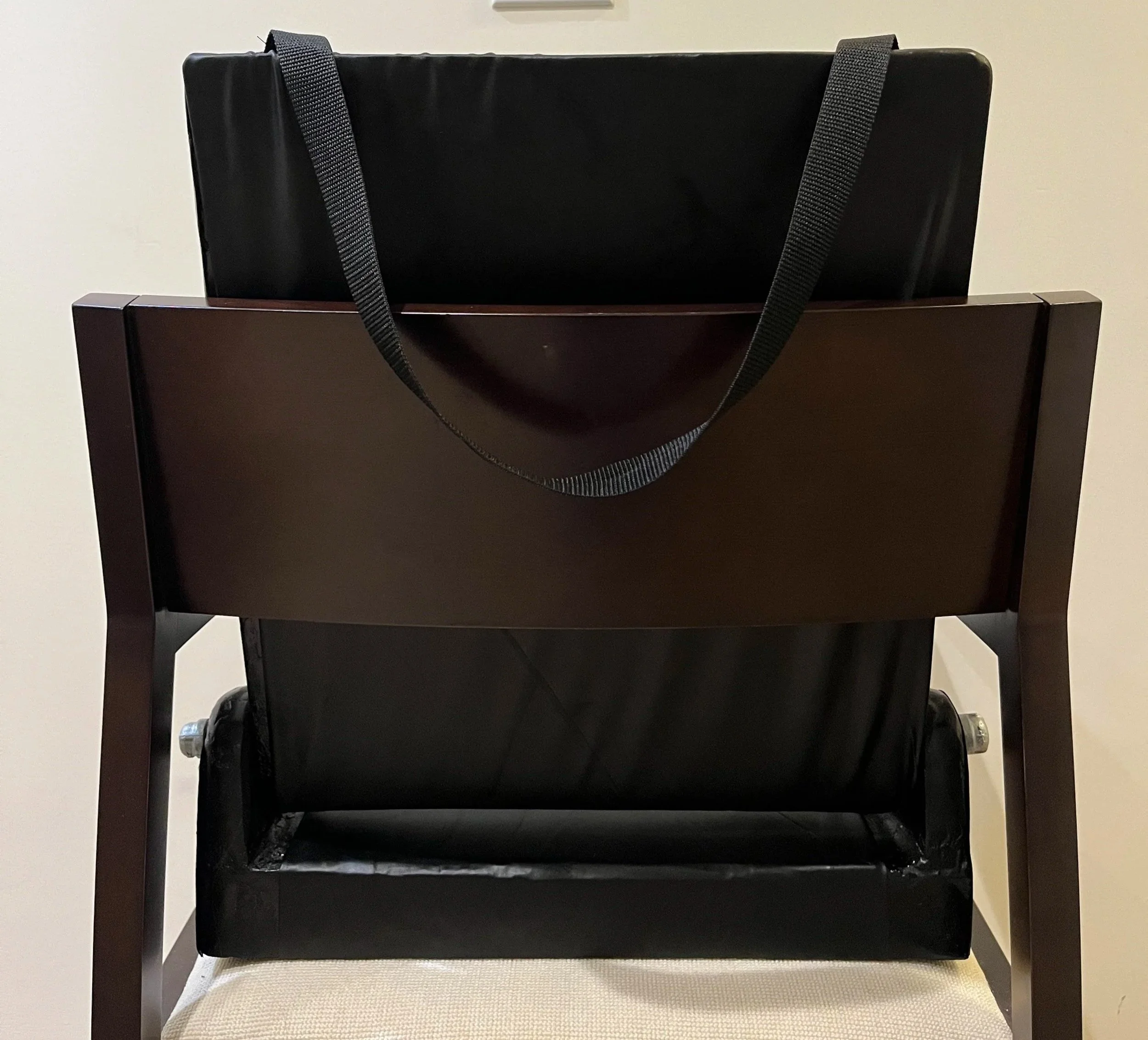
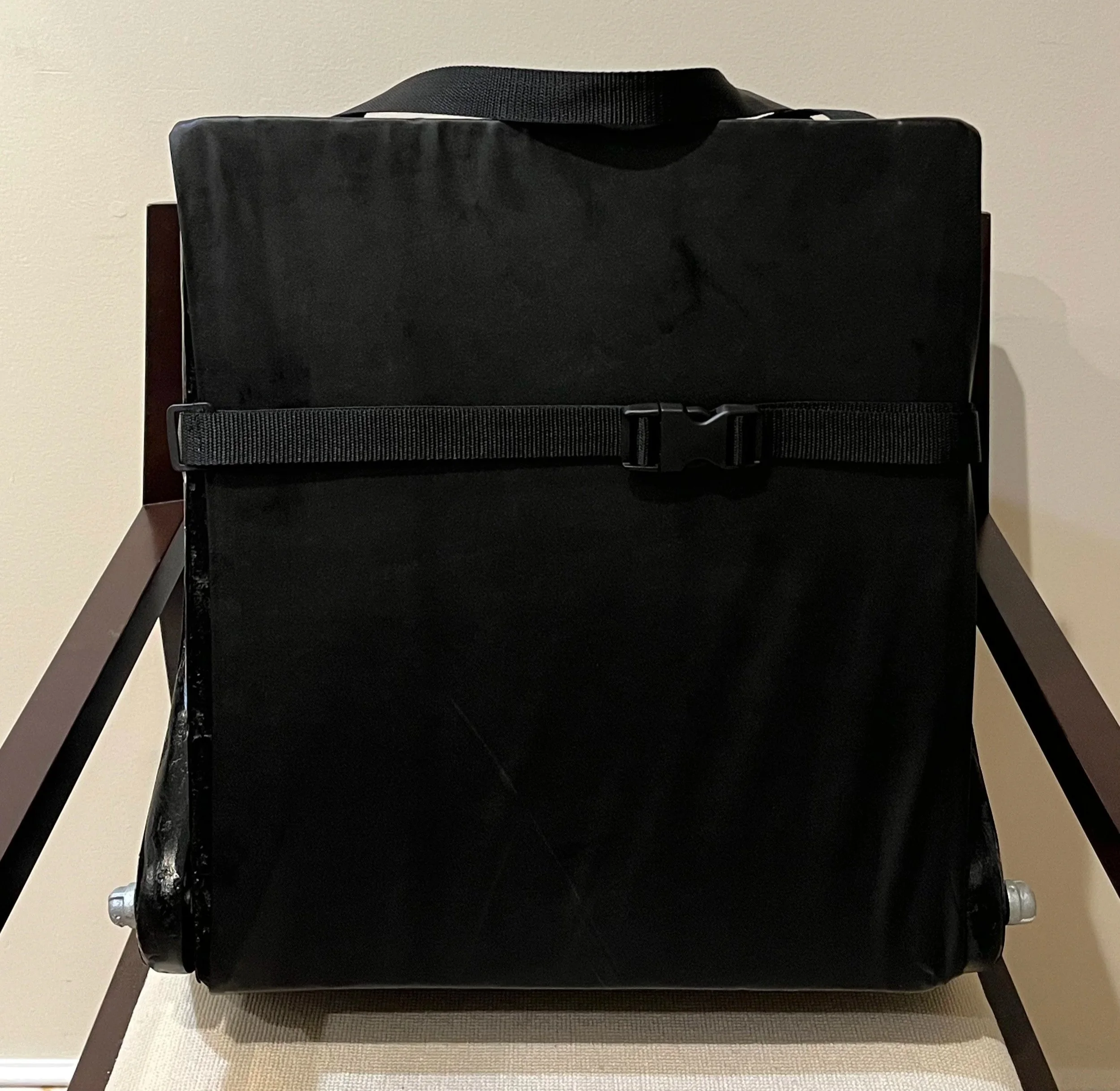
The final prototype for this project is an appearance model crafted with 4 lbs/ft³ density PU foam as the base structure, a perforated grid silicone padding, and faux leather upholstery. Base and seat were sculpted and finished with Bondo Automotive Body Filler and assembled with 1 1/4 inch screws for a hinged design to allow the user to fold the seat down and stow it when it is not being used.
Prototype was fabricated, assembled, and finished by hand.
FINISHED PROTOTYPE
DESIGN PROPOSAL
FLEXSEAT
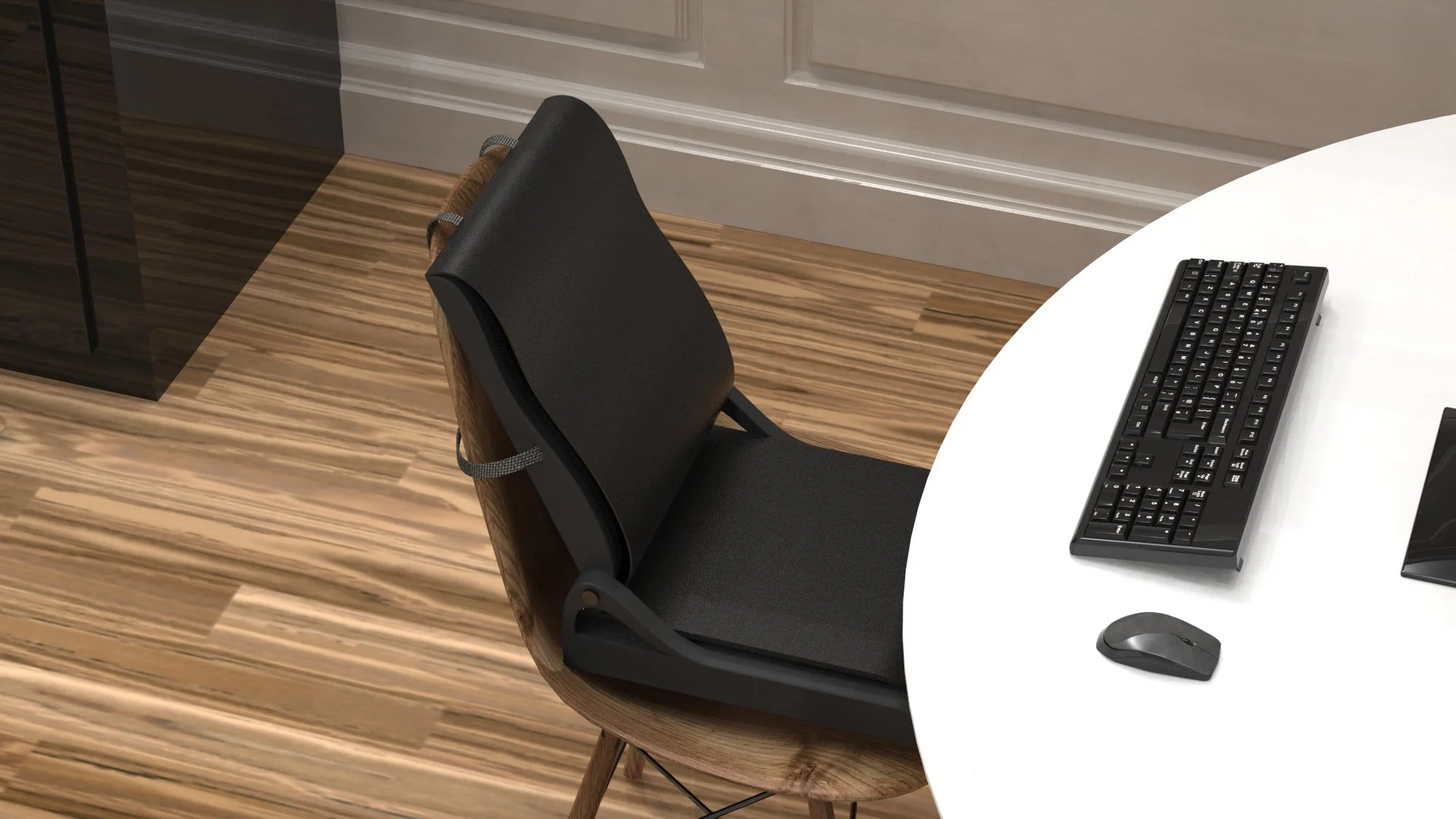
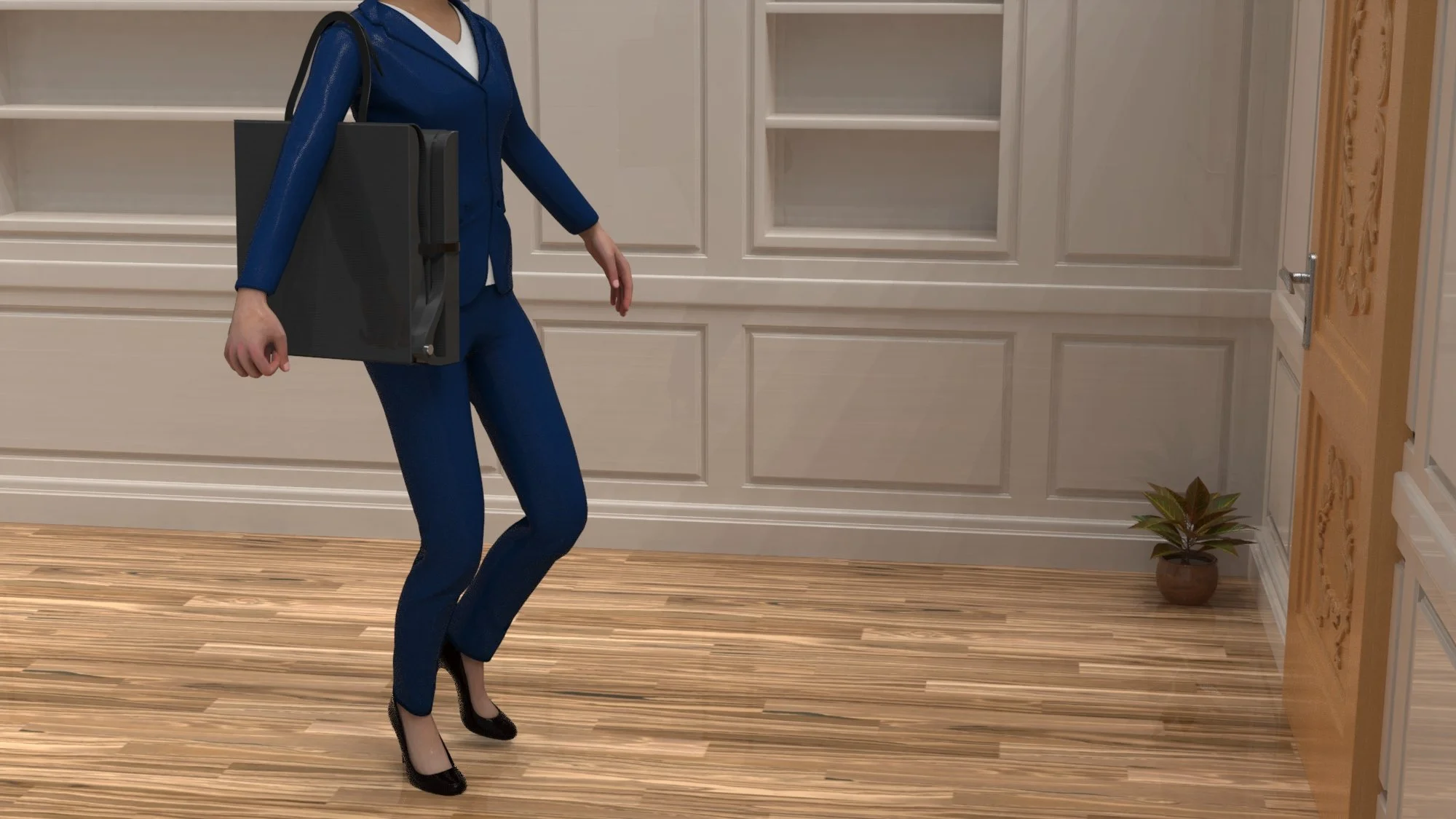
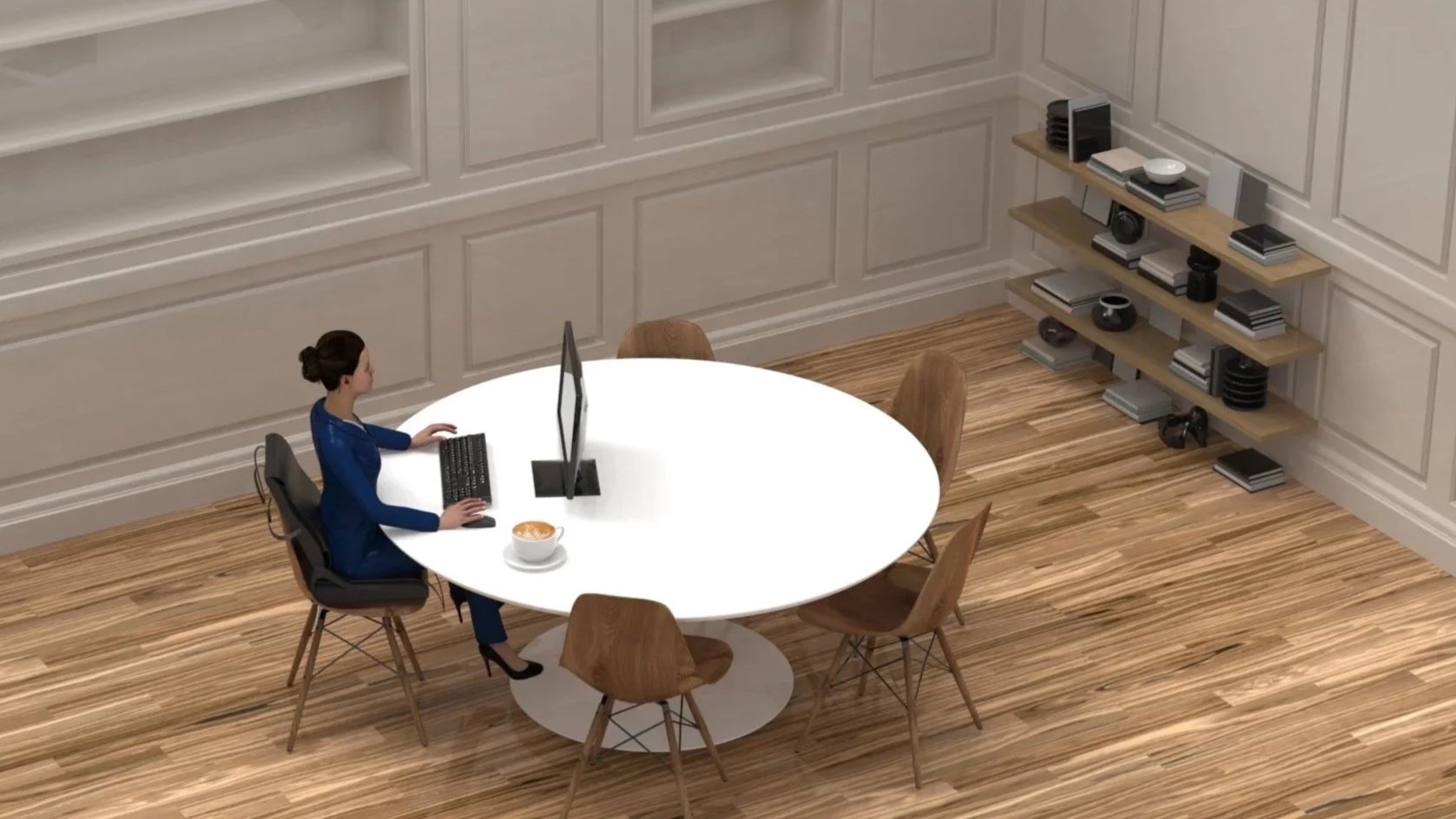
The proposed design is a seating solution that works in tandem with the user’s existing space and furniture and integrates seamlessly. Employees with remote or hybrid positions can enjoy the benefits of ergonomic seating without for expensive and bulky office seating.
The seat features a silicone inlay for comfort and support, seat straps, and buckles that help secure the seat to casual seating such as benches and chairs. When not in use, the seat can be folded and stowed away.
WORK DAY
NIGHT
REFERENCES
National Institute for Occupational Safety and Health (NIOSH). “Ergonomics and Work-Related Musculoskeletal Disorders.” Centers for Disease Control and Prevention, Centers for Disease Control and Prevention, www.cdc.gov/niosh/ergonomics/index.html.
Sherif, Ahmed. “Employees Working Primarily Remotely Worldwide 2015-2023.” Statista, by Ahmed Sherif , 12 Nov. 2024, www.statista.com/statistics/1450450/employees-remote-work-share/.
“Indicator: Hybrid Work.” Gallup.Com, Gallup, 20 Oct. 2024, www.gallup.com/401384/indicator-hybrid-work.aspx#:~:text=In%20the%20latest%20reading%2C%20from,21%25%20work%20on%2Dsite.
Dreyfuss Associates, Henry, and Henry Dreyfuss. The Measure of Man and Woman:Human Factors in Design. John Wiley & Sons, 2001.
Gordon, Claire. “Anthropometric Survey of U.S. Army Personnel - DTIC.” Anthropometric Survey of U.S. Army Personnel: Summary Statistics, Interim Report for 1988, 1989, apps.dtic.mil/sti/citations/ADA209600.
Openshaw, Scott, and Erin Taylor. “Ergonomics and Design a Reference Guide.” Ergonomics and Design A Reference Guide, 2006, ehs.oregonstate.edu/sites/ehs.oregonstate.edu/files/pdf/ergo/ergonomicsanddesignreferenceguidewhitepaper.pdf.
Stensland, Jan. “Sitting and Chair Design.” Ergonomics of Sitting, Cornell University Ergonomics Web, ergo.human.cornell.edu/DEA3250Flipbook/DEA3250notes/sitting.html.
Dempsey, P.G. Applied Ergonomics. Elsevier Science Pub. Co, 2005.
Government of Canada, Canadian Centre for Occupational Health and Safety. “Office Ergonomics - Ergonomic Chair.” Canadian Centre for Occupational Health and Safety, 28 Aug. 2025, www.ccohs.ca/oshanswers/ergonomics/office/chair.html.
Wulff Pabilonia, Sabrina, and Jill Janocha Redmond. “The Rise in Remote Work across Industries during the Pandemic.” U.S. Bureau of Labor Statistics, U.S. Bureau of Labor Statistics, www.bls.gov/opub/btn/volume-13/remote-work-productivity.htm.